 Save to Pinterest
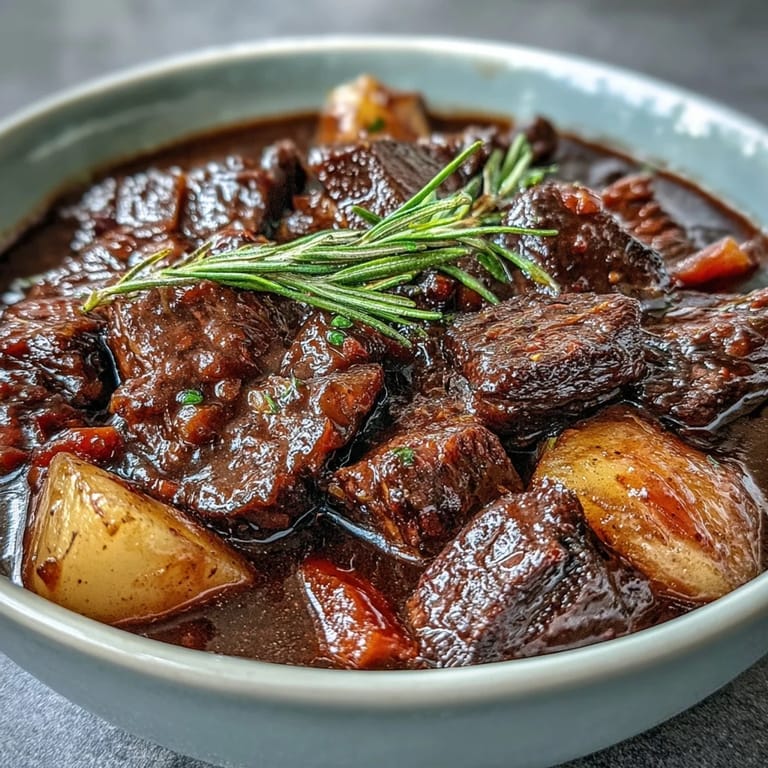
 There's something about the sound of beef hitting hot oil that signals comfort is on the way. One particularly gray Saturday, I stood at the stove browning chunks of chuck while my kitchen slowly filled with that deep, savory smell—the kind that makes you grateful for slow cookers and forgiving timelines. My daughter wandered in asking what was for dinner, and when I told her beef stew, she actually smiled instead of rolling her eyes, which felt like a small victory. That's when I realized this dish isn't just about feeding people; it's about the promise of something warm waiting at the end of the day.
I made this for a potluck on a snowy evening, and I remember how the slow cooker kept it warm in my car during the drive, fogging up the windows with fragrant steam. When I lifted the lid at the community center, three different people immediately asked for the recipe—that's the moment I knew this stew had staying power. It's become my go-to when someone needs comfort food, whether they're sick, stressed, or just tired of cooking.
Ingredients
- Beef chuck (2 lbs), cut into 1.5-inch cubes: Chuck is forgiving and gets incredibly tender during the long cook; avoid lean cuts that turn stringy.
- Kosher salt (1/2 tsp) and black pepper (1/2 tsp): Season generously at the start—the long cooking time mellows the flavors, so don't be shy.
- Carrots (3 large), cut into 1-inch pieces: They soften beautifully and add natural sweetness; peeling keeps them looking refined.
- Parsnips (2), peeled and sliced: These bring an earthy, subtle sweetness that regular carrots alone can't achieve.
- Yukon Gold potatoes (2 large), chopped into chunks: They hold their shape better than russets and have a creamy texture when cooked low and slow.
- Yellow onion (1 large), diced: The foundation of flavor; don't skip the browning step for depth.
- Celery stalks (3), sliced: Often overlooked, but it adds brightness and rounds out the vegetable profile beautifully.
- Garlic (3 cloves), minced: Fresh garlic makes a huge difference; jarred garlic tastes tired by comparison.
- Tomato paste (2 tbsp): This deepens the color and adds umami richness that transforms the broth into something special.
- Worcestershire sauce (1 tbsp): A secret weapon for savory depth; use gluten-free if needed.
- Bay leaf (1), dried thyme (1 tsp), dried rosemary (1 tsp): These herbs are forgiving and release their flavor slowly over eight hours.
- Beef broth (4 cups): Quality matters here—a good broth elevates the entire dish.
- Dry red wine (1 cup): It adds complexity, but broth works fine if you prefer to skip it.
- Cornstarch (2 tbsp) mixed with cold water (2 tbsp): This slurry thickens the stew at the end without making it gluey.
Tired of Takeout? 🥡
Get 10 meals you can make faster than delivery arrives. Seriously.
One email. No spam. Unsubscribe anytime.
Instructions
- Season and sear your beef:
- Pat the beef cubes dry first—moisture prevents browning—then season liberally with salt and pepper. Working in batches so you don't crowd the pan, sear each piece over medium-high heat until deep brown on multiple sides, about three minutes per batch, letting the skillet rest between batches.
- Build your flavor foundation:
- Layer the carrots, parsnips, potatoes, onion, and celery into the slow cooker with the seared beef. Stir in the garlic, tomato paste, Worcestershire sauce, bay leaf, thyme, and rosemary, mixing everything together so the paste coats the vegetables.
- Add liquid and let it cook:
- Pour in the beef broth and red wine, stirring gently so nothing sticks to the bottom. Cover the slow cooker and cook on low for eight hours—the beef should shred easily with a fork when done.
- Thicken and finish:
- In a small bowl, whisk the cornstarch and cold water until smooth, then stir it into the stew. Switch to high heat, leave the lid off, and cook for fifteen minutes, stirring occasionally, until the liquid thickens.
- Taste and serve:
- Fish out the bay leaf, then taste the stew and adjust salt and pepper to your preference. Serve hot in bowls with crusty bread or over mashed potatoes.
 Save to Pinterest
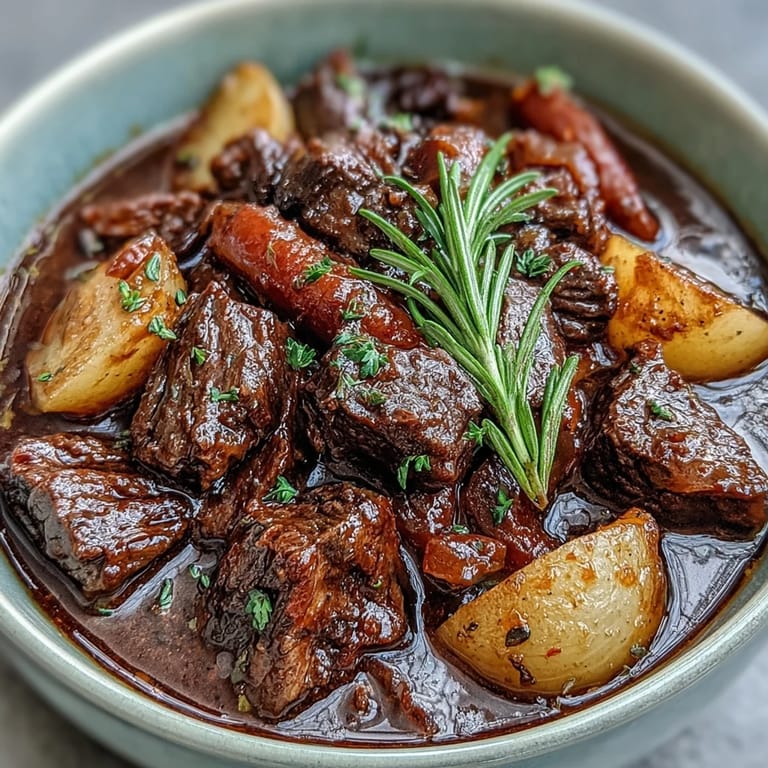
 I learned the power of this stew one winter when my neighbor's car broke down in our driveway. I sent her home with two containers, and she texted me three days later saying her family had devoured it all and wanted the recipe—turns out comfort food is the best apology the universe can offer. Now whenever life feels uncertain, I make a batch and remember that sometimes the simplest gestures matter the most.
The Magic of Low and Slow Cooking
The slow cooker works like an invisible hand, gently coaxing flavors out of each ingredient without any effort from you. The low, steady heat breaks down the beef's connective tissue into gelatin, which thickens the broth naturally and creates that silky mouthfeel you can't achieve any other way. I've tried making this on the stovetop in a Dutch oven at a boil, and while it works, it never tastes quite as refined—something about the patient, sustained warmth of the slow cooker just gets it right.
Variations and Substitutions
This stew is flexible enough to bend to whatever you have on hand or what sounds good that day. I've added sliced mushrooms in the last hour of cooking for extra earthiness, tossed in a handful of frozen peas toward the end for brightness, and even swapped sweet potatoes for Yukon Golds when I wanted a slightly sweeter version. One memorable evening, I added a splash of balsamic vinegar at the thickening stage, and it added a surprising tanginess that nobody expected but everyone loved.
Serving and Storage Ideas
This stew tastes even better the next day, once all the flavors have had time to get to know each other in the refrigerator. Leftovers keep for about four days in an airtight container, and it freezes beautifully for up to three months. I like serving it in shallow bowls with a thick slice of crusty bread for soaking up every last drop, or ladled generously over creamy mashed potatoes for something a bit more indulgent.
- Let leftovers cool to room temperature before storing to avoid condensation that makes things watery.
- If reheating from frozen, thaw overnight in the fridge for even heating.
- A sprinkle of fresh parsley or thyme on top adds a brightness that contrasts beautifully with the rich stew.
 Save to Pinterest
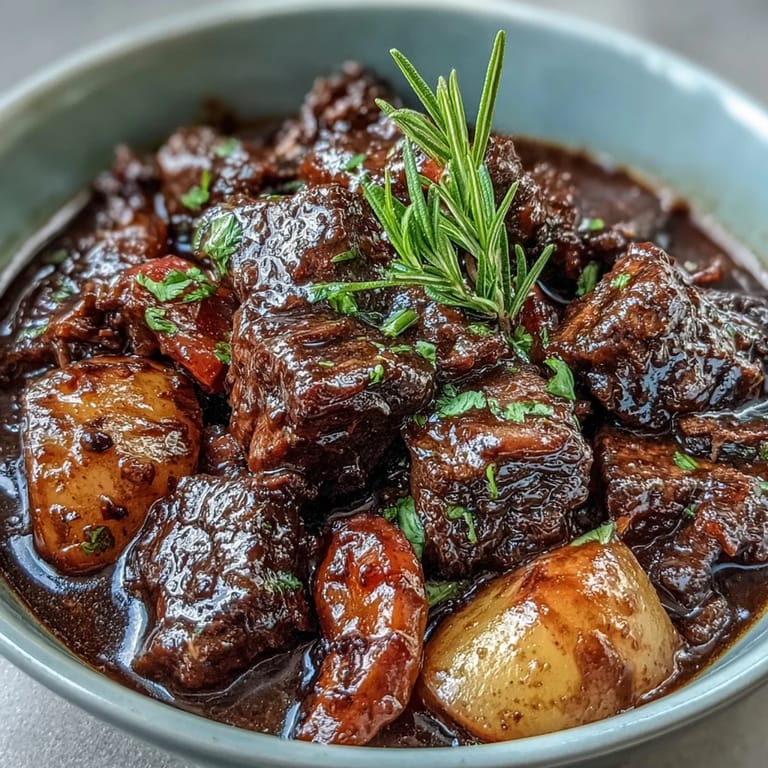
 This stew has become my quiet favorite, the dish I reach for when I need to slow down and remember what matters. It's proof that the best meals aren't complicated—they just need time, good ingredients, and someone who cares enough to make them.
Recipe FAQs
- → What cut of beef works best?
Beef chuck is ideal for slow cooking due to its marbling and tenderness after long simmering.
- → How can I thicken the stew?
A cornstarch and cold water slurry added near the end helps thicken the broth into a rich sauce.
- → Can I use other vegetables?
Yes, sweet potatoes, mushrooms, or peas can be added for different flavors and textures.
- → Is red wine necessary?
Red wine adds depth, but can be replaced with extra broth for an alcohol-free version without losing richness.
- → How long should it cook?
Simmering on low for about 8 hours ensures the beef and vegetables become tender and flavorful.
- → Can this be prepared ahead?
Yes, flavors often improve after resting overnight, making it great for advance preparation.