 Save to Pinterest
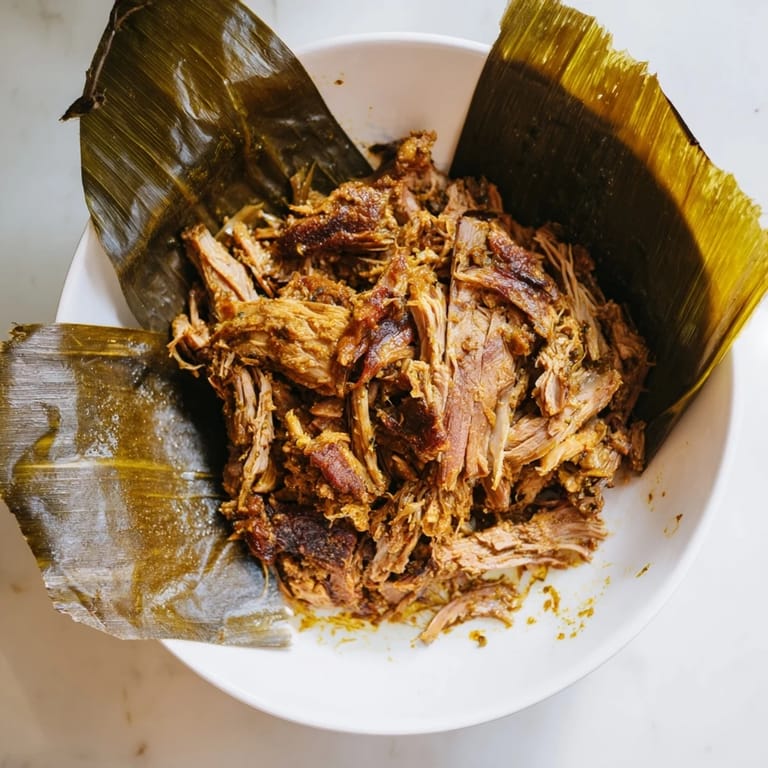
 My first taste of shuwa came during a family gathering at my aunt's kitchen in Muscat, where the aroma of cardamom and cinnamon had been building for hours. She unwrapped those banana leaves with ceremony, steam rising like a small miracle, and I understood immediately why this dish commands such respect in Omani tradition. What struck me most wasn't just the tenderness of the meat, but how the spices had woven themselves into every fiber, creating something that felt both ancient and intimate. That day, I promised myself I'd learn to make it properly. Now, each time I wrap that marinated meat and slide it into the oven, I'm transported back to that kitchen, to her hands moving with such quiet confidence.
I made this for my partner's birthday dinner, and watching them take that first bite—eyes closing, a small smile spreading—made me realize food can be a love language. The kitchen had been perfumed for hours, and the table was impossibly quiet for those first few moments as everyone tasted something they'd never experienced before. It became the dish we now make whenever we want to mark something important, a ritual that started that evening.
Ingredients
- Bone-in lamb shoulder or leg (2.5 kg): The bone adds incredible flavor and keeps the meat moist through the long cooking; don't skip it even if boneless seems easier. Choose meat with good marbling for the most succulent results.
- Garlic paste (4 tbsp): Fresh minced garlic works better than jarred; it's the foundation that carries all the spice flavors into the meat.
- Ginger paste (2 tbsp): This adds warmth and slight heat that balances the earthier spices beautifully.
- Ground coriander, cumin, cinnamon, cardamom (2 tbsp, 1.5 tbsp, 1 tbsp, 1 tbsp): These four spices are the soul of shuwa; they must be fresh and fragrant or the whole dish loses its magic. Buy them whole if possible and grind them yourself—the difference is striking.
- Ground black pepper, cloves, paprika, turmeric, chili powder (1 tbsp, 2 tsp, 2 tsp, 1 tsp, 2 tsp): These add depth, warmth, and gentle heat that builds subtly rather than overwhelming.
- Salt (2 tsp): Taste as you go; the salt draws out the meat's moisture and helps the spice paste adhere.
- White vinegar and lemon juice (1/4 cup vinegar, juice of 2 lemons): Acid is essential—it tenderizes the meat and brightens all those warm spices so they don't feel heavy.
- Vegetable oil (1/4 cup): This helps distribute the spice paste evenly and keeps the meat from drying out during its long sleep in the marinade.
- Banana leaves (4–6 large): These aren't just wrapping; they impart a subtle, authentic flavor that parchment or foil simply cannot replicate. Wash them gently and pat dry before using.
- Kitchen twine or food-safe foil: Whatever you choose, make sure the seal is tight so no moisture escapes during cooking.
Tired of Takeout? 🥡
Get 10 meals you can make faster than delivery arrives. Seriously.
One email. No spam. Unsubscribe anytime.
Instructions
- Blend Your Spice Awakening:
- Combine all your marinade ingredients in a large bowl, stirring until you have a thick, fragrant paste. The smell at this moment should make you pause—it's the entire story of this dish concentrated in one bowl.
- Score and Massage the Meat:
- Using a very sharp knife, cut deep slits all over the lamb, about a finger's width apart. This is where the magic happens—those cuts let the spice paste travel into the meat's heart, not just sit on the surface. Work the marinade in with your hands, pressing it into every crevice.
- Let Time Do the Work:
- Cover your marinating meat and refrigerate for at least 8 hours, though 24 hours is ideal. The longer it sits, the more the acid and enzymes soften the meat while the spices deepen. I often prepare this the night before, so it's ready to cook when I wake.
- Heat Your Oven:
- Set it to 160°C (320°F) and give it time to reach temperature. This low, slow heat is non-negotiable—higher temperatures will dry out the meat and lose the point entirely.
- Wrap with Care:
- Lay out your banana leaves and place the marinated meat in the center. Fold the leaves around it like you're tucking a child into bed, then wrap with twine or seal tightly with foil. The wrapping traps all that moisture and steam, creating an almost pressure-cooker effect.
- Roast Into Tenderness:
- Place the wrapped package in a deep roasting pan, cover with a lid or extra foil, and slide into the oven. For 4–6 hours, resist the urge to peek. The meat will transform silently, becoming so soft it practically surrenders to a fork.
- Unwrap and Serve:
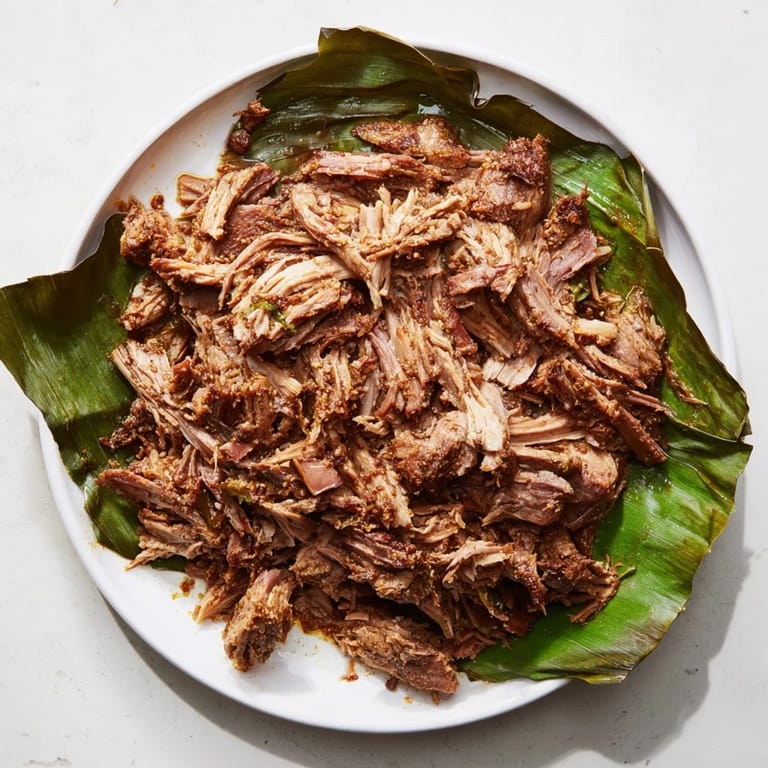
- When the time is up, carefully open the wrapping—the steam will rise in an intoxicating cloud. The meat should shred with the gentlest pressure; if it doesn't, it needs another hour. Serve it heaped on rice or flatbread, spooned with some of those precious juices.
 Save to Pinterest
 There's a moment, about three hours into cooking, when you open the kitchen door and the whole room is filled with that spiced, savory warmth. That's when I know everything is going to be beautiful. My mother called it the smell of celebration, and she was right—this dish announces itself.
The Story Behind Shuwa
Shuwa is Oman's ancient answer to the question: how do you feed a large gathering with technique and respect? Traditionally cooked in underground sand ovens for a full day, it's a dish tied to festivals, weddings, and moments when a community comes together. This oven version keeps that spirit alive while fitting into a modern home kitchen. What makes it special isn't speed—it's the deliberate slowness, the way time and heat conspire to create something tender and profound.
Adapting It to Your Kitchen
The beauty of this recipe is how forgiving it is. Your oven temperature doesn't need to be exact; anywhere between 150–170°C will work, though cooking time will adjust accordingly. If you have access to a slow cooker, you can cook it on low for 8–10 hours with equally tender results—just skip the banana leaf wrapping and use a sturdy piece of foil instead. Some cooks prefer to remove the banana leaves halfway through and let the meat develop a light crust, which adds texture. Trust your instincts and adjust based on what you observe; the meat will tell you when it's ready.
Building Your Spice Pantry
Making shuwa properly requires a thoughtful spice collection, and this recipe is a wonderful reason to invest in fresh, quality spices. Buy them whole when possible and grind them yourself—cardamom pods freshly cracked, cinnamon ground from bark you can smell, cloves that still have their essential oils. It's not extravagant; it's the difference between a good dish and an unforgettable one. Store them in airtight containers away from light, and they'll reward you in every meal.
- Whole cardamom pods, cinnamon sticks, and cloves are worth the small extra cost and make a visible difference in flavor depth.
- Toast your spices lightly in a dry pan before grinding them to deepen their oils and complexity.
- If you're new to Omani cooking, this recipe is an excellent gateway to understanding how to build sophisticated flavor from spices alone, with no cream or sugar to hide behind.
 Save to Pinterest
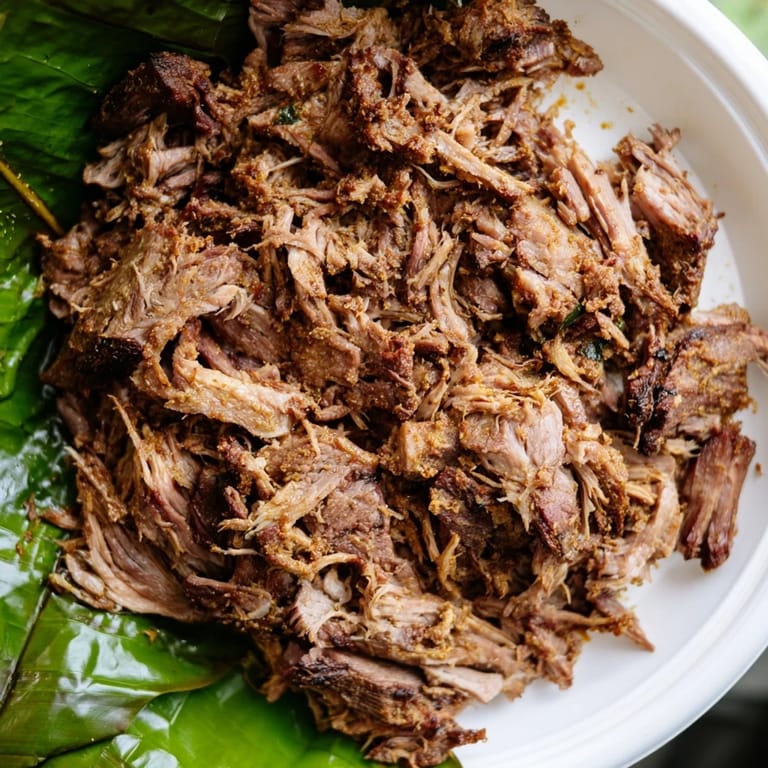
 This is the kind of dish that makes people remember the meal long after it's finished. When you serve it, you're offering not just food, but an experience built on patience and care.
Recipe FAQs
- → What cut of meat is best for Omani Shuwa?
Bone-in lamb shoulder or leg is preferred for tenderness and flavor, though beef or goat are good alternatives.
- → Why are banana leaves used in cooking Shuwa?
Banana leaves trap moisture and impart a subtle, earthy aroma to the meat during slow cooking.
- → How long should the meat marinate for optimal flavor?
Marinating for 8 to 24 hours allows the spices to deeply penetrate the meat for a rich taste.
- → Can I replicate the traditional sand oven method at home?
While the traditional underground sand oven imparts unique flavors, slow roasting wrapped meat in a conventional oven is an effective adaptation.
- → What spices create the characteristic flavor of Omani Shuwa?
Cumin, coriander, cinnamon, cardamom, cloves, paprika, and turmeric create its warm, aromatic profile.
- → How should Omani Shuwa be served?
It’s typically served shredded alongside rice, flatbread, salads, or yogurt-based sauces to balance the spices.