 Save to Pinterest
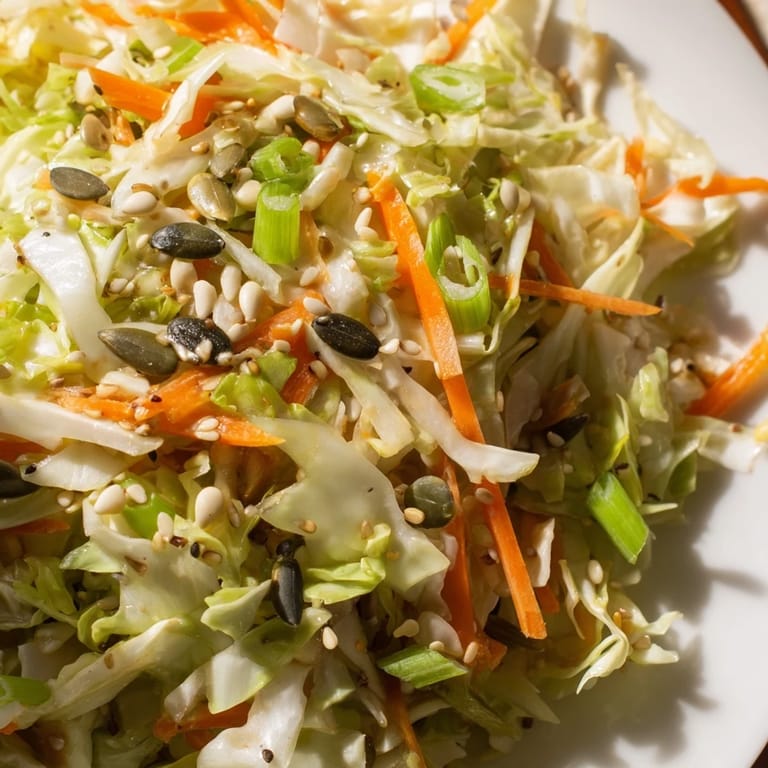
 I discovered the magic of cabbage cores by accident one afternoon when I was prepping vegetables and couldn't bear to toss the sturdy center pieces into the compost. My knife hit that dense, pale heart of the cabbage with a satisfying thunk, and something clicked—these weren't scraps, they were treasure. A quick shred, a drizzle of sesame oil, and suddenly I had the crunchiest, most fiber-packed slaw that tasted nothing like the limp versions I'd made before. Now I actually seek out whole cabbages just for their cores.
I brought this slaw to a potluck last summer where someone had made the same tired creamy coleslaw that always shows up, and watching people bypass that for my bowl was the kind of quiet victory that stays with you. One friend went back three times and asked if I used some secret ingredient—I think it was just the combination of textures and the way the toasted seeds popped between your teeth. That's when I realized this wasn't just a way to use vegetable scraps, it was genuinely craveable.
Ingredients
- Cabbage cores, finely shredded (2 cups): This is where the magic lives—they're denser and crunchier than regular leaves, and they hold their texture even after the dressing sits on them for hours.
- Green cabbage leaves, finely shredded (1 cup): These add softness and color contrast, creating layers of texture that keep each bite interesting.
- Carrot, julienned (1 large): The sweetness cuts through the nuttiness of the sesame, and the thin strips match the bite of the shredded cabbage.
- Green onions, thinly sliced (3): They add a fresh, almost spicy note that wakes up your palate between bites.
- Toasted sesame oil (3 tbsp): Don't use raw sesame oil—the toasted version has a deep, nutty flavor that makes the whole slaw sing.
- Rice vinegar (2 tbsp): It's milder than regular vinegar, so it won't overpower the delicate vegetables and lets the sesame shine.
- Soy sauce or tamari (1 tbsp): A small amount adds umami depth without making the slaw taste salty.
- Maple syrup or honey (1 tbsp): This isn't about sweetness—it's about balance, rounding out the flavors so nothing tastes one-note.
- Fresh ginger, grated (1 tsp): Grate it fresh, not from a jar, and you'll taste the difference immediately in the brightness it brings.
- Garlic, minced (1 clove): One clove is all you need; too much and it bullies the other flavors.
- Toasted sesame seeds (3 tbsp): Toast them yourself if you can—the aroma alone is worth it, and store-bought toasted seeds taste fresher longer.
- Pumpkin seeds, lightly toasted (2 tbsp): They add a slightly earthy sweetness and important texture variation.
- Sunflower seeds, lightly toasted (1 tbsp): These feel like the friendly presence that makes everything work together.
Tired of Takeout? 🥡
Get 10 meals you can make faster than delivery arrives. Seriously.
One email. No spam. Unsubscribe anytime.
Instructions
- Gather and shred your vegetables:
- Cut your cabbage in half and use your chef's knife to finely shred the dense cores first—they should be thin enough to bend. The shredding matters because thin pieces will actually soak up the dressing instead of sitting in a puddle of it.
- Build the dressing base:
- Pour the sesame oil into a small bowl and whisk in the rice vinegar, soy sauce, and maple syrup, watching as they emulsify into something glossy and unified. Stir in the ginger and garlic until everything is evenly distributed and smells like something you could drink.
- Toss the vegetables together:
- Combine all your shredded cabbage, carrot, and green onions in a large bowl, and it should look like a beautiful pile of raw texture and color waiting to happen.
- Marry the slaw with the dressing:
- Pour the dressing over the vegetables and toss with purpose, making sure every piece gets coated—this is where the flavors start their conversation. Don't hold back; use both hands and make sure nothing is hiding at the bottom of the bowl.
- Add the seeds and let it rest:
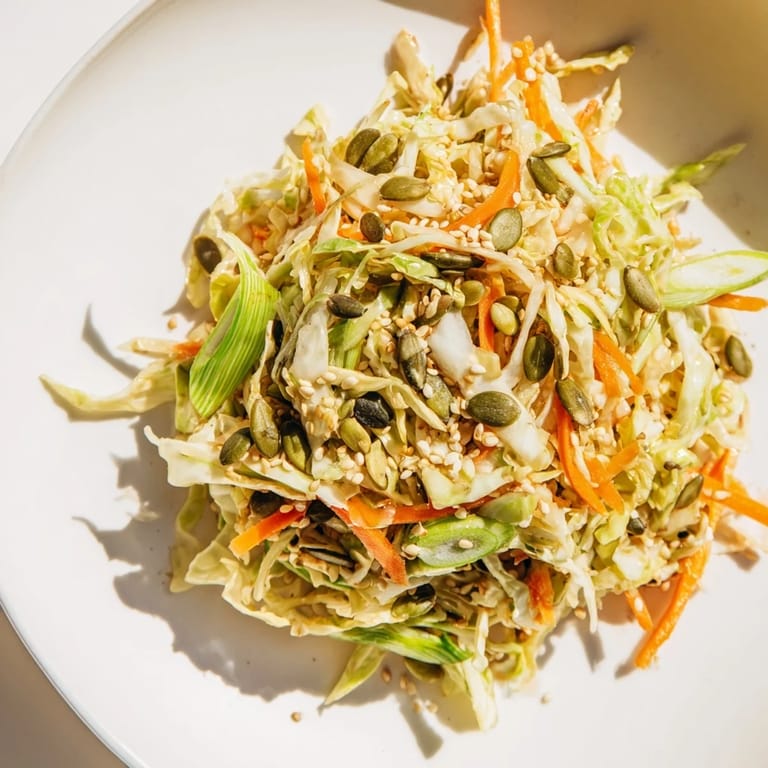
- Sprinkle your toasted seeds over the top and give everything one more gentle toss—if you like, hold back some seeds for a garnish that makes it look intentional. Let the slaw sit for ten minutes so the cabbage cores soften just slightly while staying crisp, and the flavors settle into each other.
 Save to Pinterest
 I made this for someone going through a rough week, and they told me later that the act of eating something so purposeful and nutrient-dense felt like taking care of themselves when they couldn't manage anything else. There was something about the crunch and the careful flavors that made them slow down for ten minutes. That's when food moves beyond nourishment into something more meaningful.
Why Cabbage Cores Are Your Secret Weapon
Most people think the core is waste, but it's actually the most interesting part of the cabbage—it has more crunch, more fiber, and a subtly different flavor than the outer leaves. When you cook cabbage, the cores soften to nothing, which is why you never notice them, but in a raw slaw they're the structural hero that keeps everything from becoming mushy. I started saving them on principle, and now I actually plan meals around having enough cabbage cores to make this slaw.
The Sesame-Ginger Dressing That Changes Everything
The dressing is a four-ingredient balance: toasted sesame oil for depth, rice vinegar for brightness, a touch of sweetness to round it all out, and ginger-garlic to add complexity. Each ingredient serves a purpose, and if you skip one or swap it for something else, the whole thing loses its identity. I learned this the hard way by trying to make a vinaigrette version, and it tasted thin and forgettable—the sesame oil is non-negotiable.
Serving Ideas and Kitchen Moments
I serve this slaw at room temperature, which means you can make it ahead and let it wait for you instead of the other way around. It pairs beautifully with grilled fish or roasted tofu, or you can eat it as a light lunch with a soft-boiled egg on top for extra protein. The best part is watching people taste it and do a double-take—they're expecting something ordinary and getting something memorable instead.
- Add fresh cilantro or mint right before serving if you want an extra layer of brightness.
- A small drizzle of chili oil on top turns this into something with a little spice and attitude.
- Make it your own by swapping in other vegetables like thin-sliced beets or daikon radish if that's what's in your crisper drawer.
 Save to Pinterest
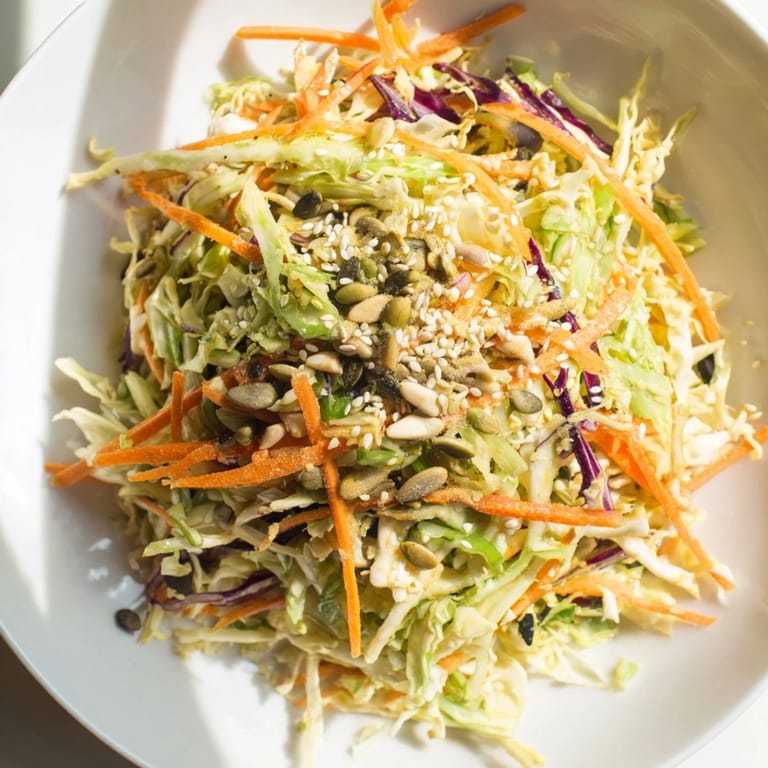
 This slaw taught me that the best dishes often come from paying attention to what you're about to throw away and wondering if it could be something better. It's vegan, gluten-free, takes fifteen minutes, and tastes like you put real thought into feeding yourself or someone else—and that combination is rarer than you'd think.
Recipe FAQs
- → Can I make this slaw gluten-free?
Yes, by using tamari instead of regular soy sauce, the slaw becomes gluten-free without compromising flavor.
- → What seeds work best for topping?
Toasted sesame, pumpkin, and sunflower seeds add a nutty crunch and enhance texture perfectly in this slaw.
- → Is it possible to add some heat to the dish?
Adding sliced red chili or a dash of chili oil introduces a spicy kick that complements the fresh flavors well.
- → How long should the salad rest before serving?
Letting it sit for about 10 minutes allows the flavors to meld and improves overall taste and texture.
- → Can maple syrup be substituted in the dressing?
Honey can be used as an alternative to maple syrup for a slightly different sweetness if not following a vegan approach.