 Save to Pinterest
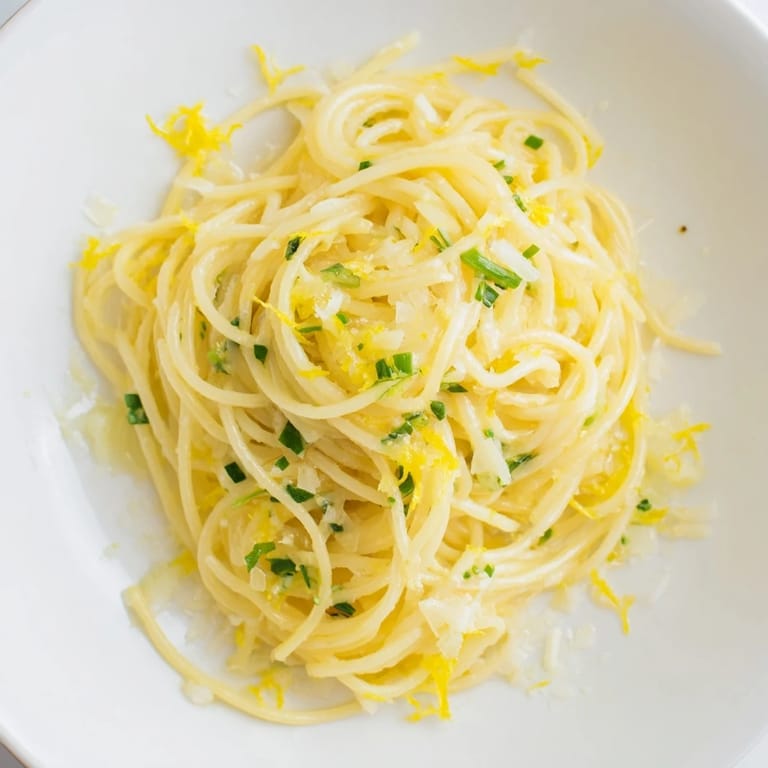
 There's something about the smell of lemon zest hitting a hot pan that stops me mid-thought every time. I discovered this pasta quite by accident one Tuesday evening when I had capellini on hand and nothing else seemed right, so I melted some butter, squeezed two lemons, and tossed it all together in about ten minutes. What came together was so bright and silky that I've made it dozens of times since, each time feeling like I've stumbled onto a small kitchen secret.
I served this to my friend Marco last spring when he dropped by unannounced, and he actually paused mid-bite and asked what restaurant I'd ordered from. When I told him I'd made it in the time it took him to open a bottle of wine, something shifted in how he saw what was possible in a home kitchen. Now whenever he visits, he asks for this one.
Ingredients
- Capellini: This delicate angel hair pasta is key because it cooks so quickly and catches the sauce perfectly without weighing it down.
- Unsalted butter: Use good quality butter here since it's the foundation of your sauce and its flavor will shine through.
- Fresh lemon zest and juice: The zest gives you those bright little pockets of oil that perfume the whole dish, while the juice cuts through the richness.
- Reserved pasta water: This starchy liquid is what transforms butter and lemon into an actual silky sauce instead of just wet pasta.
- Freshly grated Parmesan: Pre-grated cheese has anti-caking agents that won't melt smoothly, so take the thirty seconds to grate it yourself.
- Fresh parsley, basil, and chives: These herbs are added at the very end so they stay bright green and aromatic rather than becoming dark and muted.
Tired of Takeout? 🥡
Get 10 meals you can make faster than delivery arrives. Seriously.
One email. No spam. Unsubscribe anytime.
Instructions
- Get the water boiling:
- Fill a large pot with water and salt it generously, like the sea. You want to taste salt in a pinch of the water because this is your only chance to season the pasta itself.
- Cook the capellini:
- Add the pasta and set a timer for exactly two to three minutes, checking it at the two minute mark by tasting a strand. You want it tender but still with just a whisper of bite in the center.
- Make the lemon butter base:
- While the pasta cooks, melt butter in a large skillet over medium heat. Add the lemon zest and let it sit for about thirty seconds until you smell that sharp, perfumy lemon oil releasing into the butter.
- Build the sauce:
- Pour in the lemon juice and reserved pasta water, then let it simmer for a minute so the flavors marry. The mixture will look thin at this point, but trust the process.
- Bring it all together:
- Add the drained pasta directly to the skillet and toss gently with tongs, letting the starch from the water thicken the sauce into something silky and clinging to each strand. Add the Parmesan and grind in black pepper, tossing until the cheese melts into the sauce.
- Finish with freshness:
- Remove from heat, scatter the fresh herbs over everything, and toss one more time just until combined. Serve immediately onto warm plates.
 Save to Pinterest
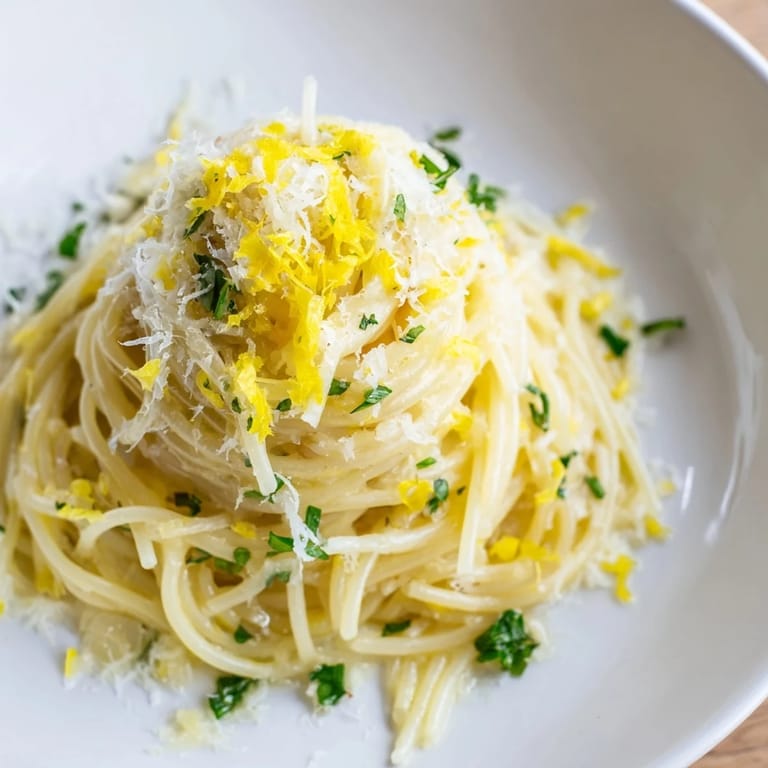
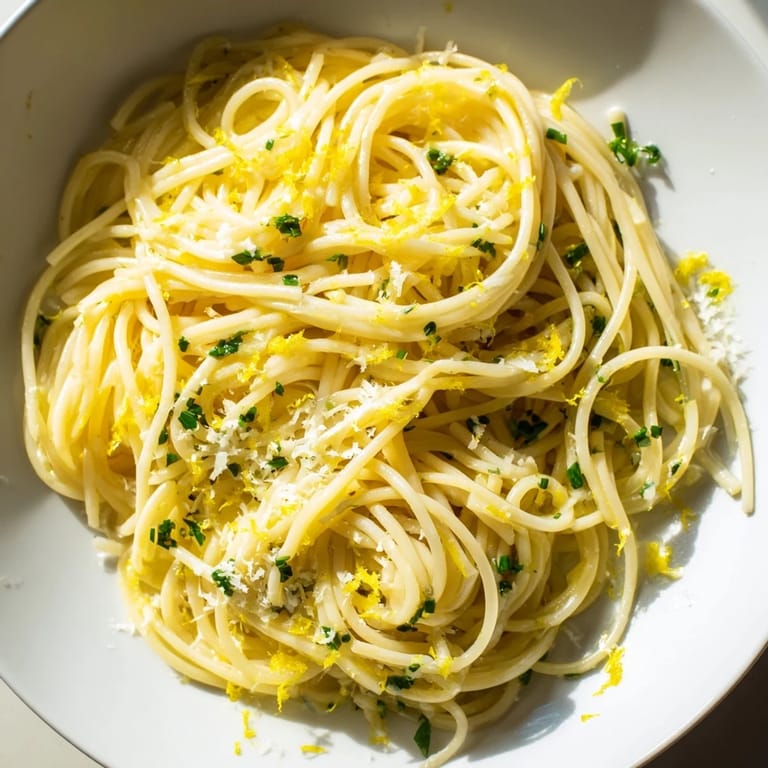
 I remember my daughter asking me one evening why this pasta tasted like sunshine, and I realized she was right—something about the combination of lemon and fresh herbs and the way the butter catches the light on each thin strand makes it feel almost edible joy. It's become the dish we make on nights when we need to remember that simple food, made with attention, can be the best kind of nourishing.
Timing and Pasta Water
The real magic of this dish lives in that reserved pasta water. Before you drain the pasta, ladle out a quarter cup of the starchy water into a small cup—don't rely on memory or eyeballing it because you'll need it. This starch is what coats each strand of pasta and turns a buttery lemon broth into something that actually clings instead of sliding off the noodles. I've made this mistake only once, when I drained the pasta and threw the water away, and the result was greasy and separated, nothing like the silky coating you get when you do it right.
Lemon Variations and Adjustments
Two medium lemons usually give you the right balance of zest and juice, but if you find your lemons are particularly small or large, adjust by tasting as you go. The juice should brighten your mouth but not pucker you, and the zest should be visible as little golden specks throughout the pasta. Some nights I add an extra teaspoon of zest if I'm feeling like I need more lemon oil to carry the sauce, and I've never regretted it.
Making It Your Own
This recipe is a blank canvas for whatever fresh herbs you have in your garden or fridge, so don't feel locked into parsley, basil, and chives. I've made it with tarragon and dill when that's what was available, or sometimes just chives and mint. The principle stays the same: you want bright, fresh herbs added at the last second so they taste like themselves.
- A pinch of red pepper flakes added when you melt the butter gives it a gentle kick without overwhelming the lemon.
- If you want something richer, stir in a tablespoon of mascarpone or crème fraîche right before plating for a subtle creaminess.
- Shrimp or grilled chicken transform this from a light side into a full meal, but add them warm so they don't cool down the pasta.
 Save to Pinterest
 This is the kind of pasta I return to when I want to cook something that tastes more complicated than it actually is. It's given me some of my favorite moments in the kitchen, where something true and simple becomes the whole point of an evening.