 Save to Pinterest
 My neighbor Maria handed me a bottle of homemade limoncello one autumn afternoon, and I knew immediately it had to become cake. That first attempt was clumsy—I didn't account for how the alcohol would interact with the butter, and the crumb turned slightly dense—but even imperfect, it tasted like sunshine in a slice. Now this pound cake is the one people request, and I've learned that the secret isn't just the limoncello, it's understanding how to let each citrus element shine without overwhelming the tender crumb beneath.
I served this cake at my daughter's college homecoming, still warm from the cooling rack, and watched three people go back for seconds within minutes. That's when I realized this wasn't just a recipe anymore—it was the dessert that signals celebration in our kitchen, the one that makes people pause mid-conversation to ask for the recipe.
Ingredients
- All-purpose flour (2 1/2 cups): The foundation that keeps everything tender; sifting it with the baking powder prevents dense pockets that ruin the crumb.
- Baking powder (1/2 tsp): Just enough lift without making the cake airy or cake-like; this is pound cake, after all, which means we're going for rich density with a delicate hand.
- Fine sea salt (1/2 tsp): Sharpens the lemon flavor so it sings instead of whispers, a lesson I learned when my first batch tasted flat.
- Unsalted butter (1 cup), softened: Room temperature is non-negotiable here; cold butter won't cream properly and you'll end up with a tight, unpleasant crumb.
- Granulated sugar (2 cups): Beaten with the butter for a full 3–4 minutes until pale and airy, which is where the cake's tender structure begins.
- Large eggs (4), room temperature: Temperature matters because cold eggs resist blending and can cause the batter to break, creating a grainy texture that no amount of mixing fixes.
- Limoncello liqueur (1/3 cup): The star ingredient that gives this cake its personality; don't use the cheap stuff, as it makes a noticeable difference in the final flavor.
- Whole milk (1/4 cup), room temperature: Keeps the batter from becoming too stiff when the limoncello dries things out slightly.
- Fresh lemon juice (1/4 cup): The acid brightens everything and plays beautifully against the sweet liqueur.
- Lemon zest (from 2 lemons): Microplane your zest so it's fine and fragrant, not chunky; big pieces get caught in your teeth and feel unpleasant.
- Pure vanilla extract (1 tsp): Acts as a gentle backdrop that lets the lemon take center stage.
- Powdered sugar (1 cup), sifted: Lumpy glaze looks careless, so sift it even if you think you don't need to.
- Fresh lemon juice for glaze (2–3 tbsp): Start with 2 and add more until you reach that perfect drizzly consistency that coats like silk.
- Limoncello liqueur for glaze (1 tbsp optional): A finishing touch that echoes the cake's flavor and adds a subtle shimmer.
- Lemon zest for garnish (from 1 lemon): The final flourish that tells people this is no ordinary pound cake.
Tired of Takeout? 🥡
Get 10 meals you can make faster than delivery arrives. Seriously.
One email. No spam. Unsubscribe anytime.
Instructions
- Prepare your pan and oven:
- Preheat to 350°F while you grease and flour a 9x5-inch loaf pan or bundt pan; this ensures the sides don't stick while the inside stays moist. I always use a generous hand with the flour here because pound cake batter is sticky and unforgiving.
- Combine your dry ingredients:
- Whisk the flour, baking powder, and salt together in a bowl and set it aside—this distributes the leavening evenly so you don't end up with dense spots. The moment you finish whisking, it's ready to go, so don't make this step your last-minute scramble.
- Cream butter and sugar until light:
- Beat them together for 3–4 minutes until the mixture looks pale and fluffy, like frosting; this is where the cake's tender texture is built. If you skip time here or rush it, the crumb will be heavy and tight no matter what comes next.
- Incorporate eggs one at a time:
- Add each egg after the previous one is fully beaten in, about 30 seconds per egg; if you dump them all at once, the batter can break and turn grainy. Listen for the mixer to settle into a smooth sound between additions—that's your signal the egg is integrated.
- Mix in the wet ingredients:
- Add the limoncello, milk, lemon juice, zest, and vanilla and beat until smooth and combined; the mixture should look glossy and slightly thick. Don't worry if it looks slightly broken at first—keep mixing and it'll come together.
- Fold in the flour mixture gently:
- Add the flour in thirds, mixing on low speed just until you don't see white streaks anymore; overmixing develops gluten and makes the cake tough and bouncy. I count to myself—usually around 15–20 turns of the mixer—to keep myself honest about not overdoing it.
- Pour and bake:
- Transfer the batter to your pan, smooth the top, and bake at 350°F for 50–60 minutes until a toothpick comes out clean. If the top starts darkening too quickly around the 40-minute mark, tent it loosely with foil so the inside finishes cooking before the exterior burns.
- Cool properly:
- Let the cake rest in the pan for 15 minutes—this lets the structure set so it doesn't fall apart when you turn it out. Then turn it out onto a rack and let it cool completely before glazing; a warm cake will melt the glaze and make it run off unevenly.
- Make the glaze:
- Sift the powdered sugar into a bowl, then whisk in 2 tablespoons lemon juice and the optional limoncello until smooth; if it's too thick, add lemon juice one teaspoon at a time until it reaches a drizzly consistency. The glaze should coat the back of a spoon but still flow gently when you pour it.
- Finish and set:
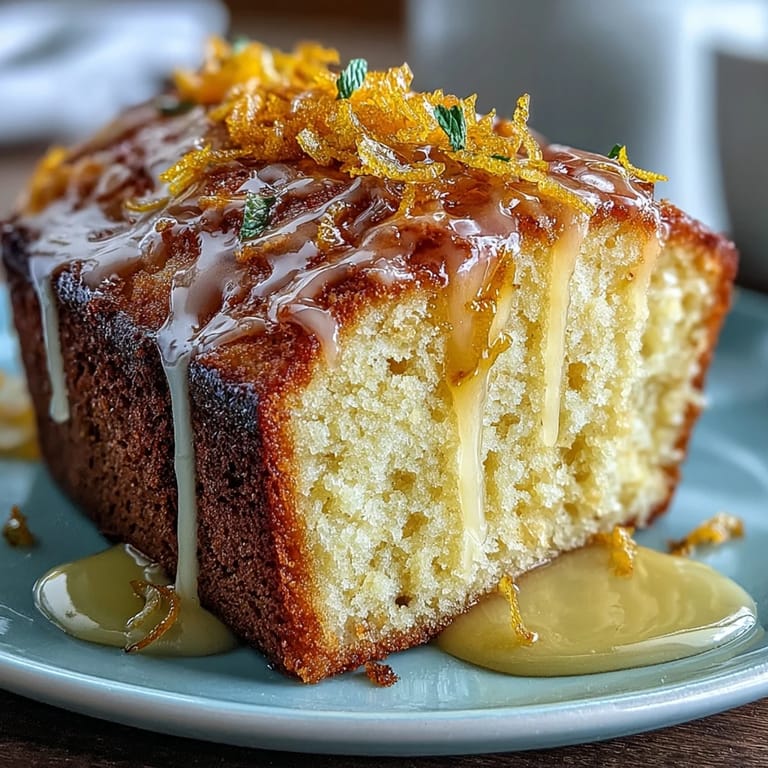
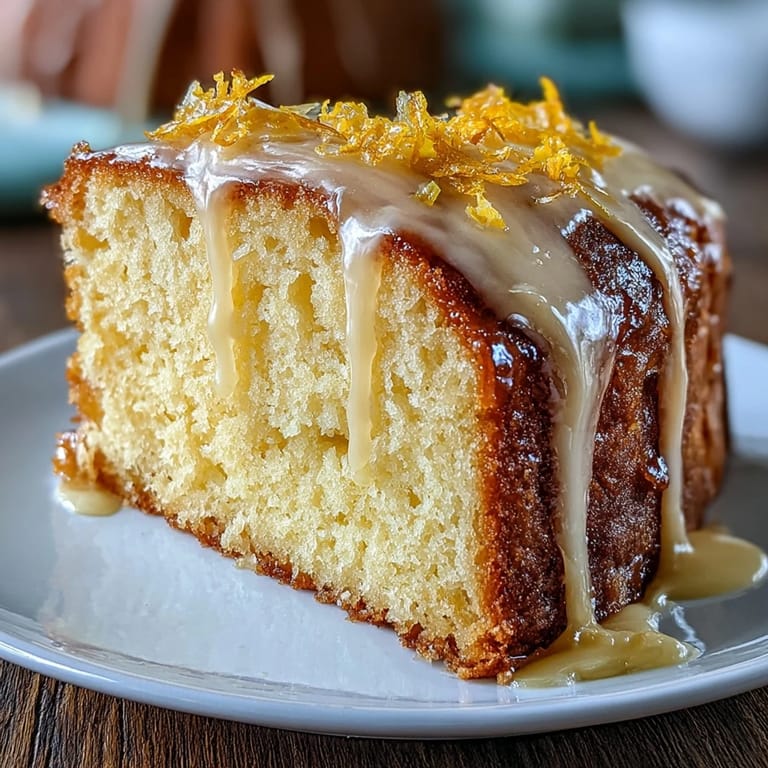
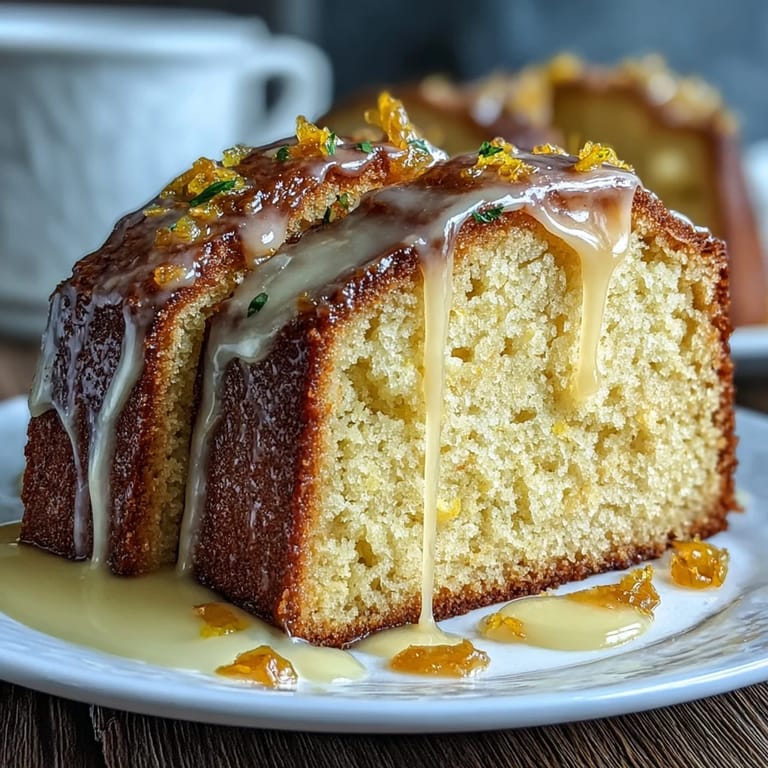
- Drizzle the glaze over the cooled cake in a thin, even stream, then scatter lemon zest over the top while it's still wet so it sticks. Let it set for at least 30 minutes before slicing so the glaze firms up and doesn't smear on the knife.
 Save to Pinterest
 One spring evening, my sister brought her three kids over and they fought over the last slice of this cake—not politely, either. That's when I understood that this recipe had become more than something I made; it had become something people genuinely cared about, the kind of dessert that ends up in phone photos and group texts.
The Magic of Limoncello in Baking
Limoncello is tricky in baking because alcohol evaporates at a different temperature than water, which means the moisture dynamics shift as the cake bakes. The first time I used it, I treated it like regular liquid and ended up with a slightly dry result; now I pair it with milk to ensure the cake stays moist while still getting that alcohol's distinctive flavor. Quality limoncello makes a real difference here—the cheap stuff tastes like sugar and burn, while good limoncello has bright citrus notes that come through in the finished cake.
Why This Pound Cake Stays Moist for Days
Pound cakes are naturally dense and buttery, which means they age well; the fat coats the flour and helps the cake retain moisture rather than drying out. The addition of milk and the moisture from fresh lemon juice amplifies this effect, and wrapping the cooled cake tightly in plastic wrap or storing it in an airtight container means it'll stay tender and moist for up to four days. I've served slices on day three that were arguably better than day one because the flavors had time to mellow and marry together.
Serving Suggestions and Storage
This cake stands beautifully on its own, but it sings even louder with fresh berries scattered on the plate or a modest dollop of whipped cream on the side. For something different, try serving it with a light dusting of powdered sugar and a few fresh mint leaves, which adds visual interest without fighting the lemon flavors.
- Fresh berries like raspberries or blueberries echo the cake's brightness and add a pop of color to the plate.
- Wrap cooled, unglazed cake tightly in plastic wrap and refrigerate for up to four days, or freeze for up to three months for later enjoyment.
- If you're making this for a crowd, you can bake it a day ahead and glaze it the morning of serving so everything tastes freshest.
 Save to Pinterest
 This cake has become the one I reach for when I want to impress someone or celebrate a moment that matters. Pour yourself a small glass of limoncello while it bakes and enjoy the anticipation.
Recipe FAQs
- → What gives this pound cake its citrus flavor?
The bright citrus flavor comes from fresh lemon juice, lemon zest, and limoncello liqueur blended into the batter and glaze.
- → Can I use a bundt pan instead of a loaf pan?
Yes, either a loaf or bundt pan will work well; just adjust baking time slightly as needed.
- → How should the glaze be applied?
Whisk powdered sugar with lemon juice and optional limoncello, then drizzle over the cooled cake to enhance its tangy flavor.
- → Is overmixing the batter a concern?
Yes, gently fold in dry ingredients until just combined to keep the cake tender and avoid a dense texture.
- → Can liqueur be omitted from the glaze?
Yes, the glaze remains bright and flavorful with just lemon juice and powdered sugar if preferred.