 Save to Pinterest
 My friend texted me a photo of a pastel-colored cake with tiny violets pressed into the frosting, and I knew I had to recreate it. There's something about miniature layer cakes that makes people smile before they even taste them—maybe it's the delicate architecture, or the way edible flowers catch the light. I spent an afternoon experimenting with vanilla and lemon sponges, learning that room-temperature eggs actually do make a difference in how fluffy the crumb becomes. The buttercream took three tries to get silky enough, but when I finally nailed it, I understood why bakeries charge what they do for these small celebrations.
I made these for my niece's sixth birthday, and watching her eyes light up when she saw the edible flowers made me realize this recipe was less about technique and more about creating a moment. She wanted to arrange the flowers herself, so we sat at the kitchen table together, giggling when a pansy fell sideways and laughing at how seriously she took the placement. That's when I knew these little cakes had become more than dessert—they were an excuse to slow down and make someone feel extraordinary.
Ingredients
- All-purpose flour (1 1/4 cups): Use the lightest touch when measuring—I learned to spoon and level rather than scoop directly from the bag, which prevents a dense crumb that nobody wants.
- Baking powder (1 tsp): Make sure it's fresh; old baking powder is why cakes sometimes don't rise the way they should, and you'll only know it too late.
- Unsalted butter (1/2 cup for cake, 3/4 cup for frosting): Softening butter to room temperature takes about 30 minutes on the counter—those few minutes genuinely matter for creaming and texture.
- Granulated sugar (3/4 cup): The pale, fluffy stage after beating butter and sugar looks almost like whipped clouds, and that's exactly what you're aiming for.
- Eggs (2 large, room temperature): Cold eggs make the batter seize up; I learned this by adding one straight from the fridge and watching the mixture break before my eyes.
- Pure vanilla extract (1 tsp for cake, 1 tsp for frosting): Real vanilla makes a noticeable difference in the flavor depth compared to imitation, especially in something this delicate.
- Lemon zest (1/2 tsp): Zest only the yellow part—the white pith underneath is bitter and will throw off the balance of sweetness.
- Whole milk (1/2 cup): Bring it to room temperature so the batter stays emulsified and fluffy instead of becoming grainy.
- Powdered sugar (2 cups for buttercream): Always sift this before beating; lumps will ruin the smooth texture even if you beat for ages.
- Edible flowers (1 cup): Source these from specialty food suppliers or farmers markets that explicitly sell food-safe flowers; garden flowers can carry pesticides that aren't meant for eating.
Tired of Takeout? 🥡
Get 10 meals you can make faster than delivery arrives. Seriously.
One email. No spam. Unsubscribe anytime.
Instructions
- Set up your workspace and prep:
- Preheat your oven to 350°F and line a 9x13 inch sheet with parchment paper—this is your canvas for a thin, even cake layer. Let your eggs and milk sit on the counter while you gather everything else so they're truly room temperature when you need them.
- Build the dry foundation:
- Whisk flour, baking powder, and salt together in a medium bowl; this distributes the leavening evenly so every bite rises properly. Set this aside and forget about it for now.
- Cream butter and sugar into clouds:
- Beat softened butter and sugar together for about three minutes until the mixture turns pale and almost fluffy—you'll see it transform from yellow to nearly white as air incorporates. This step is where the magic happens; rushing it means a denser cake.
- Add eggs and flavor:
- Drop in one egg at a time, beating well after each addition until the mixture looks smooth before you add the next. Once both are in, mix in vanilla and lemon zest until you smell that bright citrus note.
- Fold in the flour mixture gently:
- Add half the flour mixture, then half the milk, then the remaining flour and milk, stirring just until combined after each addition. Overmixing at this stage develops gluten, which makes the cake tough instead of tender.
- Spread and bake:
- Spread the batter evenly onto your prepared sheet—use an offset spatula to get it level, which helps it bake evenly. Bake for 18 to 22 minutes until a toothpick comes out clean and the edges just begin to pull away from the pan.
- Cool completely before cutting:
- Let the cake rest on a wire rack until it's completely cool to the touch; warm cake crumbles apart when you cut it. This patience saves you from frustration.
- Cut 12 perfect rounds:
- Use a 2.5 to 3 inch round cutter to punch out circles, gathering scraps and re-rolling them if you need more. You'll end up with 12 rounds to make 6 two-layer cakes.
- Make buttercream silk:
- Beat softened butter until creamy, then gradually add sifted powdered sugar, vanilla, and a pinch of salt. Add milk one tablespoon at a time, beating until the frosting is light and fluffy enough to spread smoothly.
- Tint if you want color:
- Divide the frosting among bowls and add a tiny drop of pastel food coloring to each, stirring gently until the shade is even. Pastel colors feel more spring-like than bright primary shades.
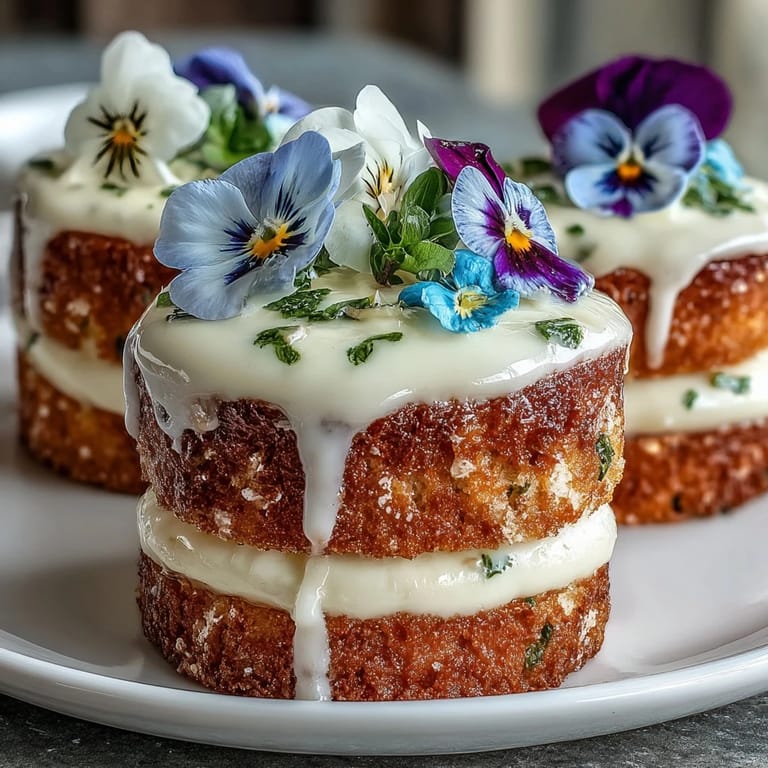
- Assemble with care:
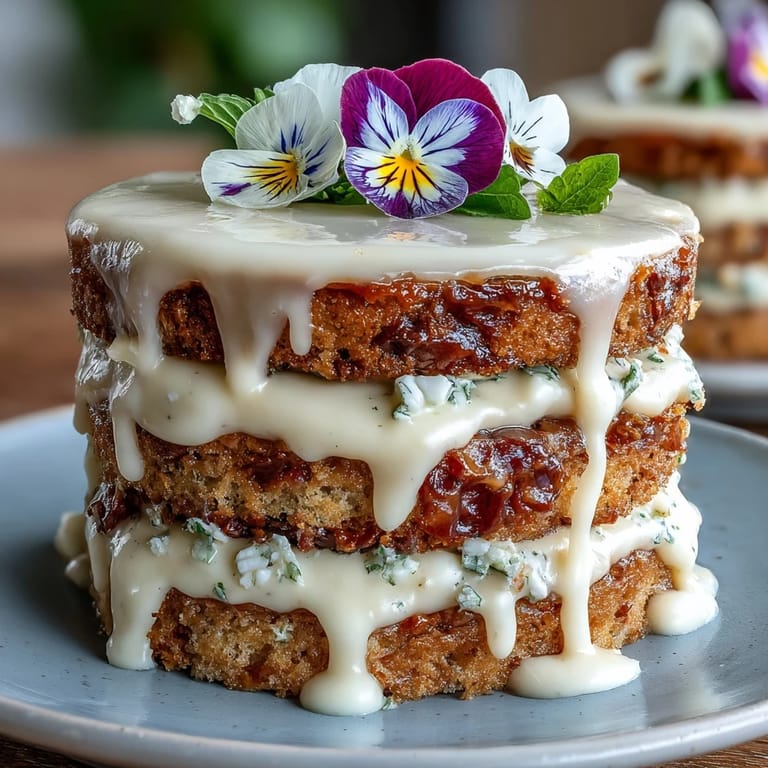
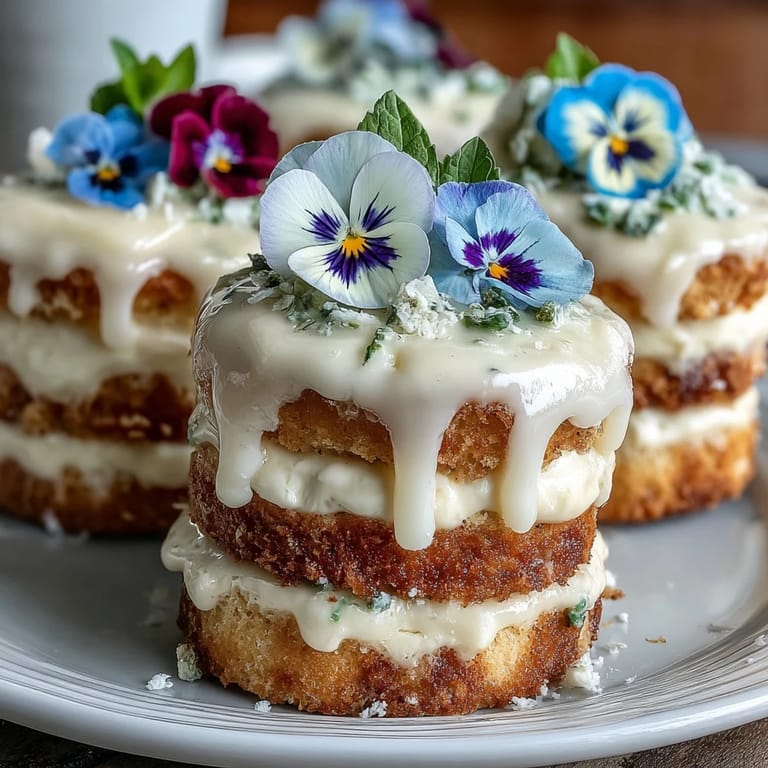
- Place one cake round on a serving plate, spread a thin layer of buttercream on top, then cap it with another round and another thin frosting layer. This creates the miniature layer cake structure that looks so elegant.
- Crown with buttercream and flowers:
- Pipe or spread frosting on top of each assembled cake, then arrange edible flowers artfully across the surface. Edible flowers are fragile, so place them gently at the very end.
- Chill before serving:
- Pop the finished cakes in the refrigerator for 15 minutes so the buttercream sets and the whole structure becomes sturdy enough to slice cleanly. This also makes them easier to move without the layers shifting.
 Save to Pinterest
 What stuck with me most was how something so technically involved could feel so intimate when made with someone you love. These cakes taught me that the real ingredient isn't precision—it's the choice to slow down and make someone's day feel different, sweeter, more memorable.
Why These Cakes Work for Spring Celebrations
Spring birthdays deserve something bright and unexpected, and these miniature layer cakes deliver on both fronts. The vanilla-lemon combination tastes like the season itself—fresh, gentle, and optimistic. I've served them at outdoor gatherings where the edible flowers seemed to echo the garden around us, and at indoor celebrations where they brought a whisper of warmth to gray days. The individual presentation means nobody has to coordinate slicing or plating; each person gets their own perfect little celebration in cake form.
The Science of Making Them Picture-Perfect
The reason these cakes actually layer well instead of crumbling is that thin sponge sheet cake has a different structure than traditional round layer cakes. When you bake a flat sheet of batter, the heat distributes more evenly, creating a tender but sturdy crumb that can hold up to cutting and stacking. The moisture from the lemon zest and milk also helps keep each layer from drying out during assembly, which means the finished cake stays soft for days if you store it covered in the refrigerator.
Make-Ahead Strategy and Storage Tips
These cakes actually improve if you assemble them a few hours before serving—the layers soften slightly as the buttercream hydrates them, creating a more cohesive bite. You can bake the cake layers up to two days ahead, wrap them in plastic wrap, and assemble everything on the day of the celebration. The edible flowers should go on last, right before serving, because they wilt if they sit with moisture for too long.
- Bake the sponge layer completely one day ahead and store it wrapped at room temperature or refrigerated for extra freshness.
- Make the buttercream up to three days in advance and keep it covered in the fridge; bring it to room temperature and re-beat it gently before using.
- Chill the finished cakes covered in the refrigerator for up to one day before serving, adding fresh flowers just before you bring them to the table.
 Save to Pinterest
 These mini layer cakes remind me that the most memorable desserts aren't about showing off—they're about showing someone they matter. Make them with joy and they'll taste like it.
Recipe FAQs
- → What gives the cakes their delicate flavor?
Vanilla extract and fresh lemon zest combine to provide a subtle, refreshing taste that brightens the soft cake layers.
- → How are the edible flowers used in this dish?
Edible flowers are arranged on top of the buttercream for a colorful, natural decoration that adds visual appeal without overpowering the flavor.
- → Can I tint the buttercream frosting?
Yes; adding pastel food coloring to the buttercream creates a festive, delicate appearance that complements the spring theme.
- → What is the best way to cut the mini cakes?
Use a 2.5–3 inch round cutter to shape uniform layers from a baked sheet cake, ensuring consistent size for assembling the mini layers.
- → Is there a recommended cooling time before assembly?
Allow the cake to cool completely before cutting and layering to maintain structure and ease of decoration.