 Save to Pinterest
 The first time I had proper miso soup was in a tiny Tokyo shop at 6 AM, jet-lagged and disoriented, watching an elderly owner slide a ceramic bowl across the counter without saying a word. The steam hit my face first, then that deep umami scent, and suddenly the 14-hour flight felt like a small price to pay. Now I make this soup on those exhausting weekdays when I need something that says 'you're going to be okay' in five minutes flat. My roommate used to call it liquid meditation, and she was not wrong.
Last winter, my friend Mei came over crying about a terrible breakup, and instead of offering advice, I just made a massive pot of this soup. We sat on my kitchen floor in our socks, eating straight from the bowls while steam fogged up my glasses, and somehow life felt manageable again. That is the magic of miso soup, it does not demand attention but it gives you exactly what you need.
Ingredients
- 4 cups dashi stock: This is the foundation, use vegetarian dashi made from kombu seaweed to keep it plant-based
- 3 tablespoons white or yellow miso paste: White miso is milder and sweeter, yellow gives you more depth, both work beautifully here
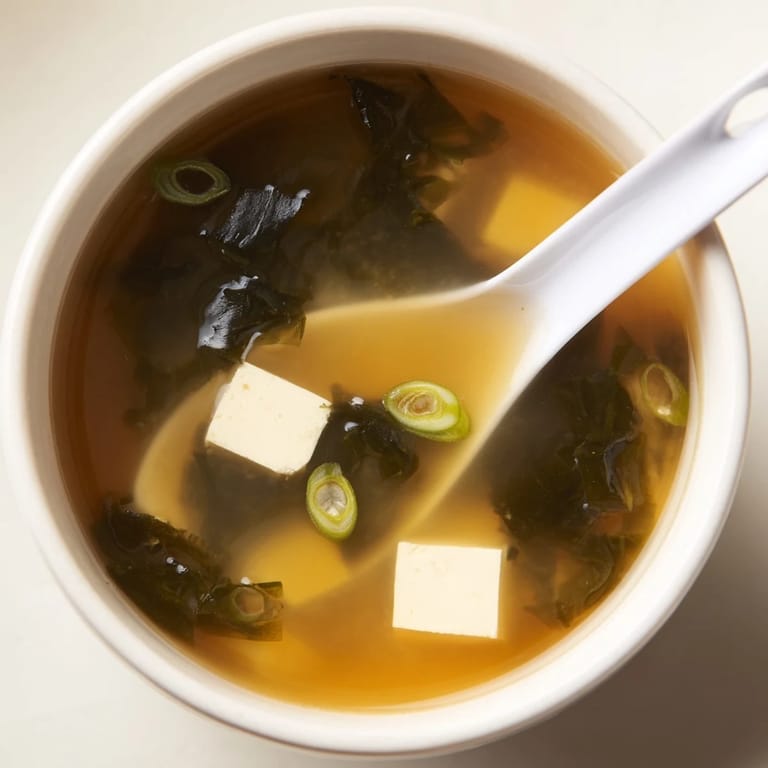
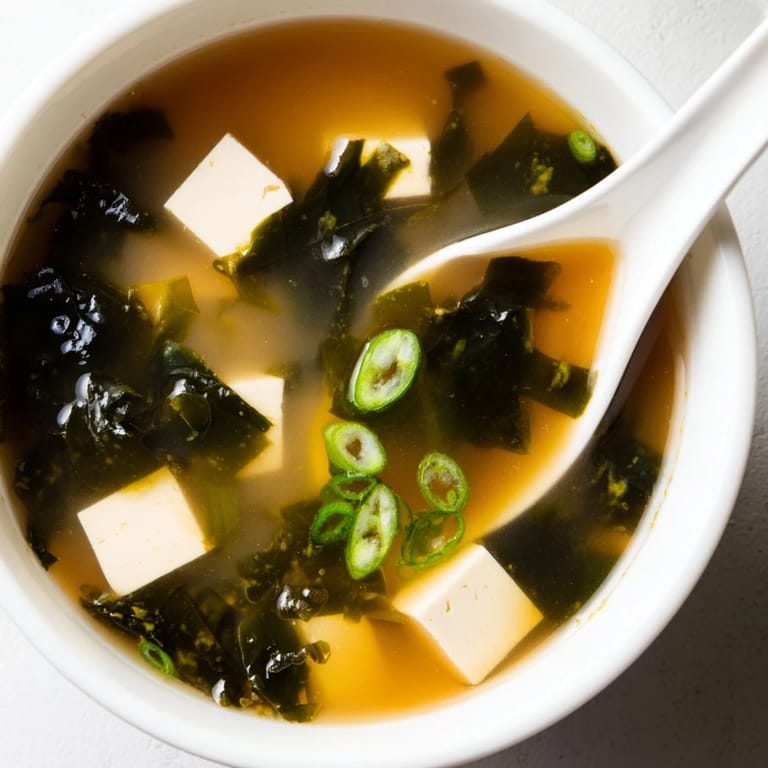
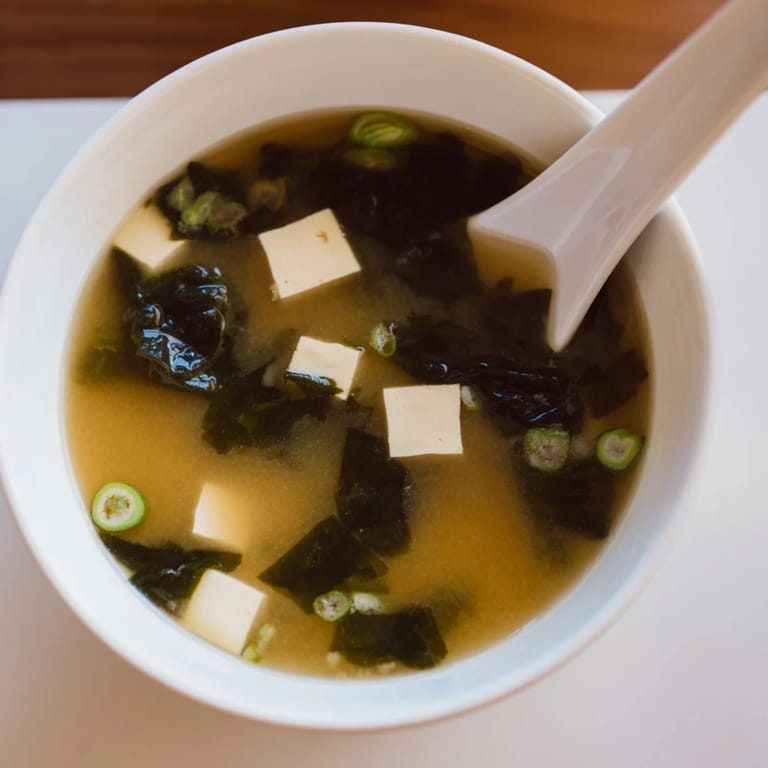
- 200 g silken tofu: Cut into half-inch cubes with a gentle hand, this tofu should feel like eating a cloud
- 2 tablespoons dried wakame seaweed: It expands dramatically when soaked, so do not be alarmed by the small quantity
- 2 scallions finely sliced: These add a fresh bite that cuts through the rich broth
Tired of Takeout? 🥡
Get 10 meals you can make faster than delivery arrives. Seriously.
One email. No spam. Unsubscribe anytime.
Instructions
- Warm the dashi stock:
- Bring your dashi to a gentle simmer in a medium saucepan, watching for tiny bubbles to form around the edges
- Prepare the seaweed:
- Soak the dried wakame in cold water for 5 minutes while the stock heats, then drain and set aside
- Dissolve the miso paste:
- Place miso in a small bowl, add a ladleful of hot dashi, and whisk until completely smooth and no lumps remain
- Add the tofu and seaweed:
- Gently slide tofu cubes and soaked wakame into the simmering dashi, heating for 2 to 3 minutes until warmed through
- Finish with the miso:
- Remove the pan from heat completely, stir in the dissolved miso, and never let it boil again or you will lose those beneficial probiotics
- Serve immediately:
- Ladle into bowls and scatter those fresh scallions on top while the steam is still rising
 Save to Pinterest
 This soup became my go-to when my sister was pregnant and could not keep anything else down during those first rough months. She would text me at odd hours asking for 'that brothy thing,' and I would show up with a thermos and some crackers, feeling like I was somehow saving the world one bowl at a time.
Choosing Your Miso Paste
The refrigerated section of Asian groceries usually has at least five varieties staring back at you, and yes, it matters which one you pick. White miso (shiro) ferments for just a few months, giving you that sweet, light flavor I love for morning soup. Red miso (aka) sits for years, developing an intense, salty punch that can overwhelm delicate dishes. Most grocery stores now sell miso paste in tubs near the tofu section, and it keeps in your fridge for months, slowly developing more character like a fine wine.
Making Dashi From Scratch
Store-bought dashi powder gets the job done, but making your own kombu dashi is absurdly simple and feels like a kitchen victory. Just soak a piece of dried kelp in cold water overnight, then slowly heat it until just before boiling point. The difference in depth is remarkable, and you can freeze the extra in ice cube trays for future soup emergencies.
Building A Complete Meal
While miso soup can stand alone as a light lunch, I love serving it alongside steamed short-grain rice and maybe a simple green salad dressed with sesame vinaigrette. My grandmother would add a soft-boiled egg to her bowl, letting the yolk swirl into the broth like golden ribbons. The key is keeping everything else simple so the soup remains the star of the show.
- Add a handful of spinach or sliced mushrooms during the last minute of cooking
- Leftover soup keeps beautifully in the fridge for 2 to 3 days
- Never reheat miso soup in the microwave, gentle stovetop warming is essential
 Save to Pinterest
 There is something profoundly grounding about starting your day with a bowl of miso soup, and I hope this recipe finds its way into your regular rotation. The world feels less chaotic when you have a warm bowl in your hands.
Recipe FAQs
- → What type of miso works best?
White or yellow miso paste offers a mild, slightly sweet flavor ideal for everyday preparation. Red miso provides deeper, more intense umami notes. Many cooks blend both varieties for balanced complexity.
- → Can I make this vegan?
Absolutely. Choose kombu-based dashi stock instead of traditional bonito flakes. Most miso pastes are naturally plant-based, though always verify labels to ensure no fish-derived ingredients are present.
- → Why avoid boiling miso?
High heat destroys beneficial probiotics and enzymes in fermented miso paste. Always remove the soup from heat before stirring in dissolved miso, maintaining both nutritional benefits and delicate flavor compounds.
- → What vegetables can I add?
Thinly sliced shiitake mushrooms, fresh spinach, or cubed daikon radish complement the base beautifully. Add heartier vegetables during simmering, while delicate greens go in just before serving.
- → How long does it keep?
Store cooled soup in an airtight container for up to two days. Reheat gently without boiling to preserve miso's beneficial properties. Tofu may soften slightly but remains perfectly enjoyable.
- → Can I use instant dashi?
Instant dashi granules work in a pinch, though homemade kombu broth yields superior depth. If using granules, opt for low-sodium varieties to control salt levels and adjust miso quantity accordingly.