 Save to Pinterest
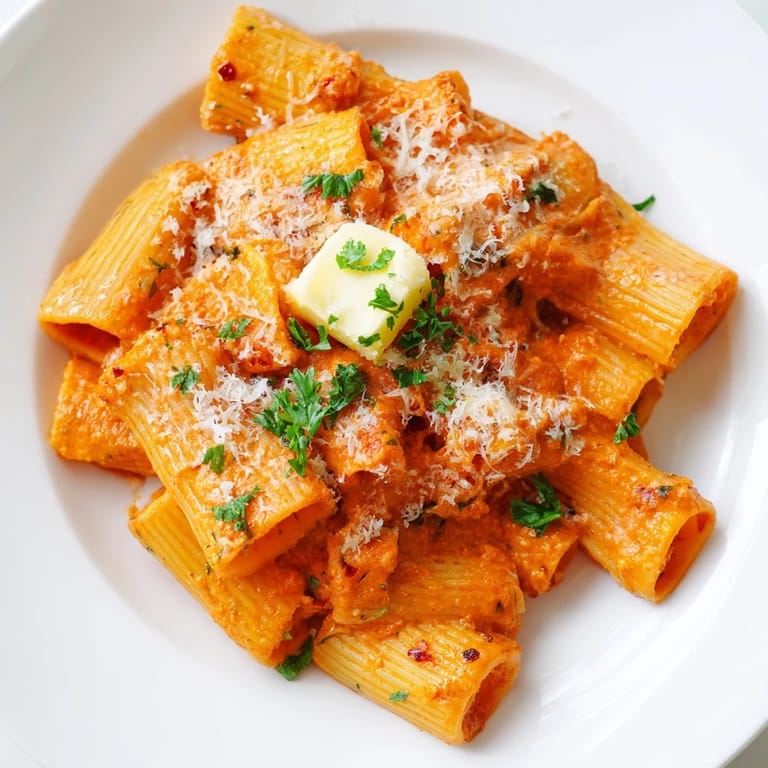
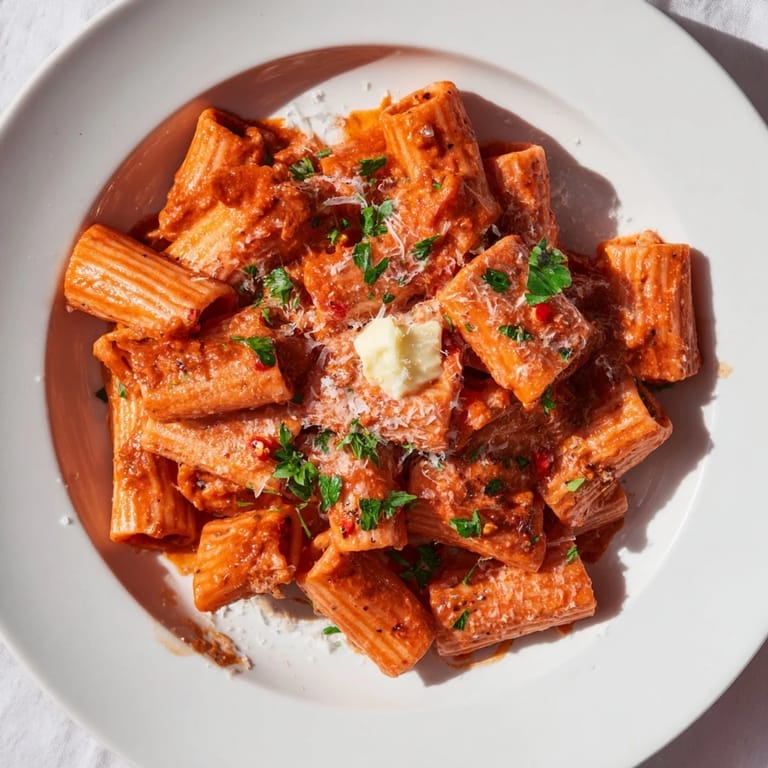
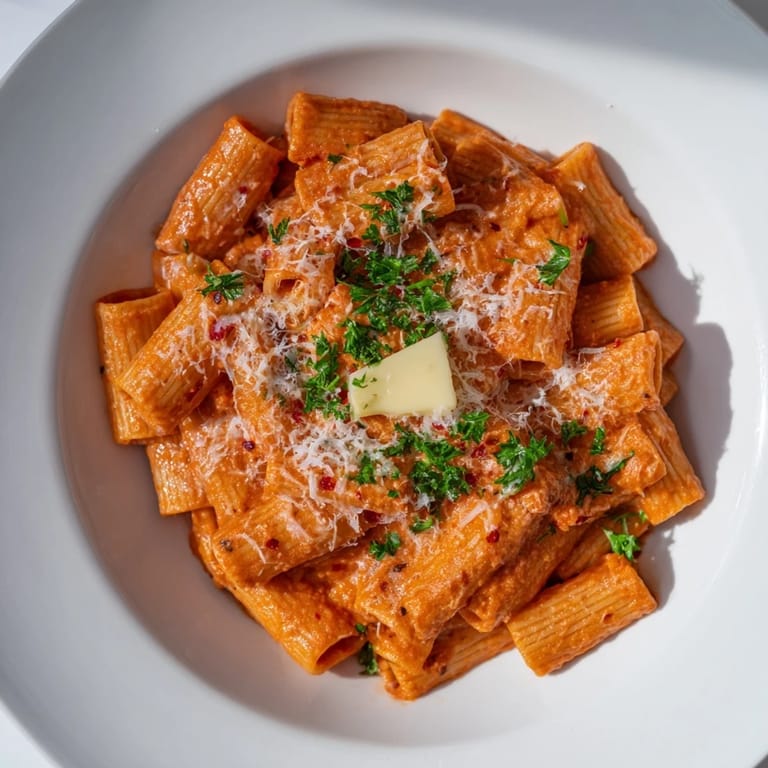
 I first made this while scrolling through my phone on a random Tuesday night, half-hungry and completely charmed by the hype surrounding Gigi's viral pasta. Something about the combination of vodka, cream, and that knowing kick of chili flakes felt impossibly elegant yet somehow approachable. Two hours later, my kitchen smelled like a trattoria, and I understood why everyone was talking about it. The sauce clung to the rigatoni tubes like silk, each bite delivering that perfect balance of warmth and richness that made me forget I was just cooking dinner for myself.
I made this for my roommate on her rough Thursday after a terrible day at work, and watching her take that first bite and actually smile felt like small magic. She didn't say much, just kept twirling her fork and eating quietly, and by the end of the bowl she looked softer somehow. Food doesn't fix everything, but sometimes a plate of creamy, spicy rigatoni does exactly what's needed.
Ingredients
- Rigatoni, 400 g: The tube shape is essential here—it captures the sauce inside and creates little pockets of creaminess with every bite, so skip the spaghetti.
- Olive oil, 2 tbsp: Use something you actually like the taste of, not the cheap bottle hiding in the back.
- Shallot, 1 small, finely chopped: Shallots are sweeter and more delicate than onions; they dissolve into the sauce rather than announcing themselves.
- Garlic, 2 cloves, minced: Slice them thin so they cook evenly and don't turn bitter while you're caramelizing the tomato paste.
- Red chili flakes, 1 tsp: This is your baseline, but taste as you go—I sometimes use less if I'm cooking for people who prefer gentler flavors.
- Tomato paste, 60 ml: The caramelization step is non-negotiable; it deepens the flavor and removes any metallic edge.
- Vodka, 60 ml: The alcohol cooks away, leaving behind a subtle brightness that cream alone cannot provide.
- Heavy cream, 120 ml: Full-fat cream makes a difference; don't try to lighten this with half-and-half.
- Parmesan, 60 g, grated: Freshly grate it if you can; the pre-shredded stuff has additives that keep it from melting as smoothly.
- Salt and black pepper: Season gradually throughout cooking, not just at the end.
- Butter, 2 tbsp: A final stir-in of butter adds an unmistakable silkiness that whispers rather than shouts.
- Fresh parsley, 2 tbsp, chopped: The green offers visual brightness and a whisper of freshness against the richness.
- Extra Parmesan for serving: Let people add their own; everyone has their own cheese comfort level.
Tired of Takeout? 🥡
Get 10 meals you can make faster than delivery arrives. Seriously.
One email. No spam. Unsubscribe anytime.
Instructions
- Start the pasta water:
- Fill a large pot with salted water and bring it to a rolling boil while you prep everything else. The salt should taste like the sea, which sounds dramatic but makes all the difference.
- Cook the rigatoni:
- Add pasta and stir occasionally so the tubes don't stick. Drain when it's tender but still has a slight bite—al dente is the goal, and overcooked pasta will only disappoint you. Reserve that pasta water before you drain; you'll need it.
- Start your sauce:
- Heat olive oil in a large skillet over medium heat, letting it warm for a few seconds before adding the shallot. You want it to sizzle gently, not violently.
- Build the base:
- Sauté shallot until soft and translucent, about two minutes, then add garlic and chili flakes. Stir constantly for just a minute—garlic burns faster than you think, and burnt garlic tastes like regret.
- Caramelize the tomato paste:
- Stir in tomato paste and let it sit without stirring for a minute, then keep stirring as it deepens to a rust color. This step transforms the flavor from bright and acidic to rich and complex.
- Add the vodka:
- Pour it in carefully and let the sauce simmer gently for two to three minutes so the alcohol can cook off and leave behind its subtle magic. You'll notice the sauce becoming more aromatic.
- Bring in the cream:
- Lower the heat and stir in heavy cream slowly, making sure everything blends smoothly. Gentle heat here prevents any curdling or breaking.
- Finish with cheese:
- Add grated Parmesan and stir until it melts completely into a silky texture. Taste and season with salt and pepper, keeping in mind that Parmesan is already salty.
- Combine pasta and sauce:
- Add your drained rigatoni to the skillet and toss until every piece is coated. If the sauce feels too thick, add pasta water a splash at a time until you reach that creamy, cling-to-the-pasta consistency.
- Final flourish:
- Stir in butter for extra richness, then fold in fresh parsley. The whole thing should look glossy and inviting.
- Serve right away:
- Pasta waits for no one, so plate it immediately while the sauce is still silky and the heat brings everything alive.
 Save to Pinterest
 A friend once asked why I was making pasta that included vodka, and I tried explaining the complexity it adds, but she just laughed and said it sounded like an excuse to have wine in the kitchen. She wasn't wrong. What surprised me was that after she tasted it, she understood exactly why the vodka mattered—not because you could taste the alcohol, but because you could taste its absence in every other creamy tomato sauce she'd ever eaten.
Why the Heat Matters
The chili flakes aren't here to make your mouth burn or prove a point; they're here to wake up your palate against all that richness. The cream and cheese want to smooth everything into submission, so the heat provides contrast and keeps each bite interesting. I learned this by making the sauce without chili once, thinking it would be more elegant, and it tasted like eating a cloud—pleasant, but forgettable. Now I understand that comfort food needs a little friction to feel alive.
Making It Your Own
This recipe is forgiving in the best ways. The base is strong enough to hold additions, whether that's sautéed mushrooms for earthiness, fresh spinach stirred in at the last second for color, or even a handful of crispy pancetta if you want to blur the vegetarian line. The spice level is entirely yours to control; start with half a teaspoon of chili if you're uncertain and taste as you go. This pasta isn't precious, and it doesn't need you to follow it exactly—it just needs your attention and your willingness to taste and adjust.
Serving and Pairing
This is the kind of pasta that doesn't need much else to feel like a complete meal, though a simple green salad with lemon vinaigrette on the side is always welcome to cut through the richness. The original notes suggest Pinot Grigio, which is smart—the crisp, mineral notes balance the cream beautifully. If you're not drinking wine, sparkling water with a squeeze of lemon does the same job, keeping your palate clear and ready for the next bite.
- Serve immediately on warmed plates so the sauce stays silky and inviting.
- Let people add their own extra Parmesan and chili flakes at the table according to their preference.
- This recipe serves four generously, but it reheats reasonably well if you have leftovers—just add a splash of cream or pasta water when warming gently on the stove.
 Save to Pinterest
 This pasta has become the recipe I make when I want to feel capable in the kitchen without spending hours there. It's simple enough to execute on a weeknight but elegant enough to serve to people you want to impress, which might be the highest compliment you can give a recipe.
Recipe FAQs
- → How do I achieve a creamy sauce texture?
Simmering the tomato paste with vodka and heavy cream while stirring ensures a smooth, velvety sauce that evenly coats the rigatoni.
- → Can I adjust the spice level?
Yes, modify the amount of red chili flakes to suit your heat preference or omit them for a milder flavor.
- → What kind of pasta works best for this dish?
Rigatoni is ideal due to its ridges and hollow shape, which hold the creamy sauce well.
- → How should I reheat leftovers?
Warm gently in a pan with a splash of reserved pasta water to restore sauce creaminess without drying out.
- → Are there good substitutions for dairy ingredients?
You can use plant-based cream and vegan Parmesan alternatives, and replace butter with olive oil for a dairy-free version.