 Save to Pinterest
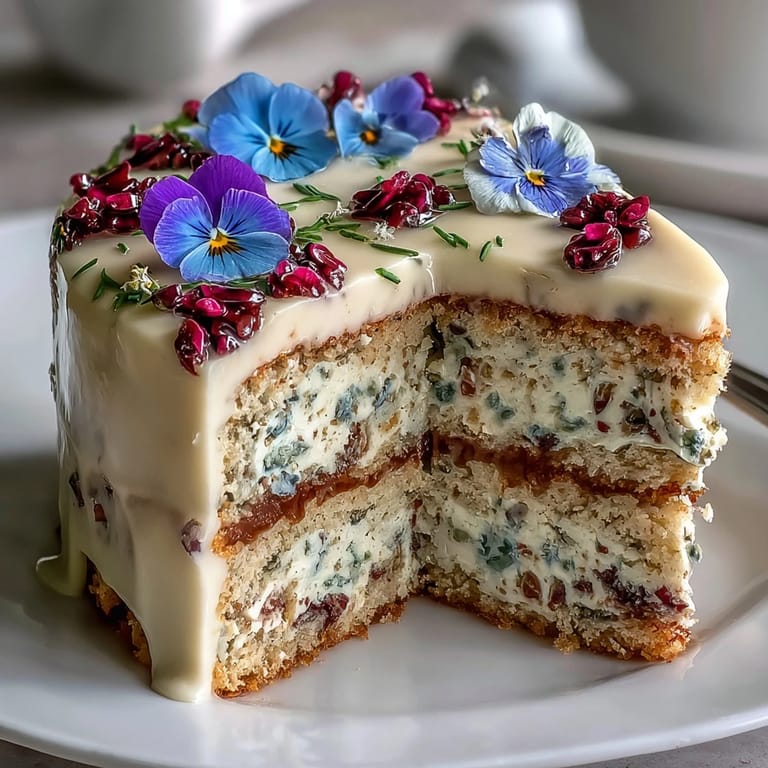
 There's something about watching edible flowers press flat between book pages that makes you feel like you're doing something secretly magical. My neighbor brought over a bundle of violets from her garden one March afternoon, and while we waited for them to dry, she mentioned how her grandmother used to make this cake every spring. I became obsessed with the idea immediately—a cake that felt light enough to float, frosted with clouds of whipped cream, then crowned with those delicate flowers like tiny stained glass windows. The first time I made it was for an impromptu Easter brunch, and honestly, I was nervous the flowers would slip right off. They didn't.
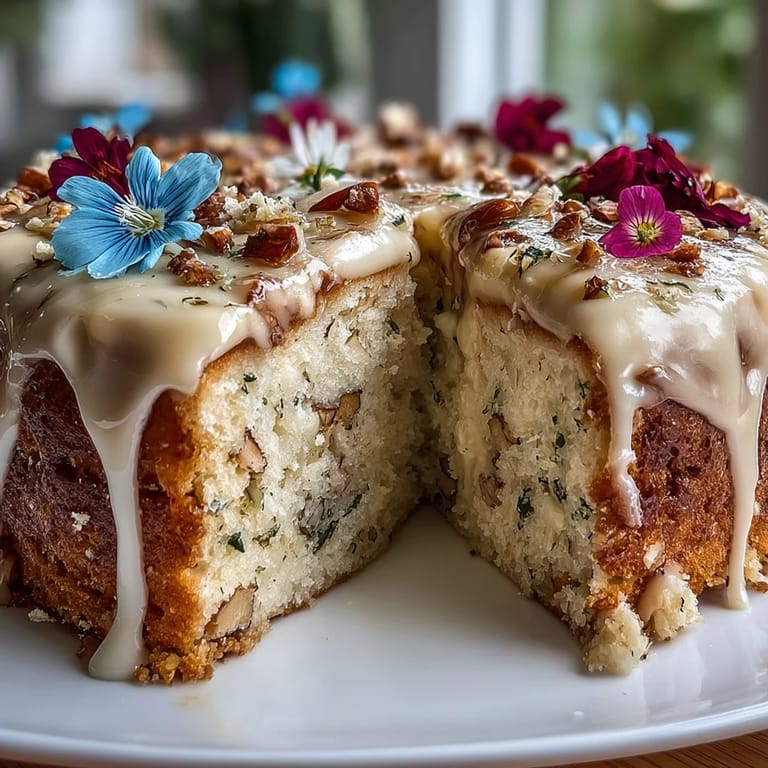
I made this cake for my sister's engagement party, and watching my mom's face when she saw those tiny violet petals caught the afternoon light—that moment felt worth every minute. She didn't just eat it; she paused between bites like she was trying to memorize the taste. Turns out, edible flowers don't just look pretty; they actually make people slow down and pay attention to their dessert.
Ingredients
- All-purpose flour (2 1/2 cups): The base that keeps everything tender and light—sift it so your cake stays delicate.
- Baking powder (2 1/2 tsp): Your secret lift; don't skip this or your cake will feel dense and disappointed.
- Salt (1/2 tsp): A tiny pinch that makes everything taste more like itself.
- Unsalted butter (1 cup, softened): Room temperature butter creams into clouds; cold butter will fight you.
- Granulated sugar (1 3/4 cups): This works with the butter to build structure and sweetness.
- Eggs (4 large, room temperature): Cold eggs won't mix smoothly—set them out an hour before baking.
- Pure vanilla extract (1 tbsp): The flavor backbone; use real vanilla, never imitation.
- Whole milk (1 cup, room temperature): Warm milk keeps everything uniform and blends effortlessly.
- Heavy whipping cream (2 cups, cold): This transforms into silk when you treat it right—keep your bowl and beaters cold.
- Powdered sugar (1/2 cup): Dissolves into the cream without grittiness.
- Pressed edible flowers (1/2 to 1 cup): Violets, pansies, nasturtiums, rose petals, or chamomile pressed for at least 24 hours between parchment and books until papery-thin.
- Fresh mint leaves (optional): A whisper of green between the flowers if you want a garden to bloom across your cake.
Tired of Takeout? 🥡
Get 10 meals you can make faster than delivery arrives. Seriously.
One email. No spam. Unsubscribe anytime.
Instructions
- Ready your pans and preheat:
- Turn your oven to 350°F and grease two 8-inch round pans, then line the bottoms with parchment paper so your cake slides out without protest. The parchment is small insurance against sticking.
- Combine your dry ingredients:
- Sift flour, baking powder, and salt together over a bowl—sifting adds air and prevents lumps that would make the crumb dense. Set it aside and let it breathe.
- Cream butter and sugar into clouds:
- Beat softened butter with sugar for 3 to 4 minutes until the mixture looks pale and fluffy like mousse. This is where your cake gets its tender structure, so don't rush.
- Add eggs one at a time:
- Drop each egg into the butter mixture and beat until fully combined before adding the next—rushing here creates separated, broken batter. Stir in vanilla once all eggs are in.
- Alternate flour and milk gently:
- Add one-third of the flour mixture, then half the milk, then repeat, ending with the final third of flour. Stir until just combined—overmixing develops gluten and makes the cake tough and spring-back.
- Fill your pans and bake:
- Divide batter evenly between pans and smooth the tops with a spatula so they bake level. Bake 30 to 35 minutes until a toothpick comes out clean and the tops spring back when touched.
- Cool properly:
- Let cakes sit in their pans for 10 minutes so they set slightly, then turn them out onto wire racks to cool completely. This prevents condensation from making them soggy.
- Make the frosting while cakes cool:
- Beat cold heavy cream with powdered sugar and vanilla in a chilled bowl until stiff peaks form—the cold matters because warm cream breaks into butter. Stop beating the moment peaks stay upright.
- Assemble with generosity:
- Place one cool cake layer on your serving plate, spread a thick layer of whipped cream on top, then set the second cake on top. Frost the whole thing—top and sides—with remaining cream.
- Press on the flowers:
- Gently lay pressed flowers directly onto the frosting, pressing slightly so they stay put but not so hard they bruise. Tuck mint leaves between them for contrast and depth.
- Chill before serving:
- Refrigerate for at least 30 minutes so the frosting sets around the flowers and everything becomes stable. This also buys you time if you're serving later.
 Save to Pinterest
 My best friend brought her elderly mother over to taste this cake, and the woman got quiet for a moment, then said it tasted like her childhood kitchen in Switzerland. Sometimes food does that—travels backward through decades to a place you didn't even know you were missing. That's when I understood this wasn't just a pretty cake; it was a conversation between seasons.
Flavor Variations Worth Trying
The vanilla base is perfect as-is, but there are whispers of changes you can make that shift the whole mood. I've added lemon zest to the batter and it wakes everything up, making the cream taste brighter and the flowers seem like they're floating on spring itself. Rose water—just a quarter teaspoon mixed into the frosting—turns the whole cake into something that tastes like a garden party. If you want to go subtle, a tiny splash of almond extract in the cake batter creates depth without announcing itself.
Choosing and Pressing Your Flowers
This is where patience pays off and there's no shortcut that works. Pick your flowers on a dry day after the dew has burned off, because moisture is your enemy here. Arrange them between layers of parchment paper, then place that sandwich between the heaviest books you own—cookbooks, art books, anything that won't flex. Check them after 12 hours; most will be ready by 24, but thicker flowers like garden roses might need longer. The thinner they get, the better they cling to the frosting and the more elegant they look.
Storage and Serving Secrets
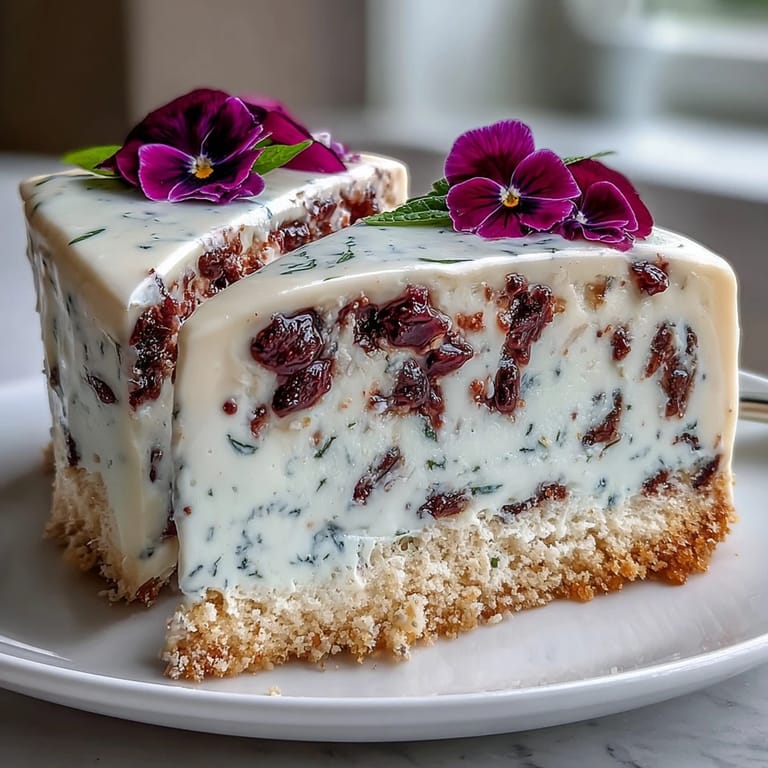
This cake actually tastes better the next day once the flavors have merged and the frosting has set firm. Keep it covered and refrigerated, though bringing it to room temperature for 20 minutes before serving softens the cake back to its cloud-like texture. It stays beautiful for up to 3 days in the refrigerator, though the flowers will gradually darken—they fade like memories, which is strangely fitting for a cake that feels nostalgic the moment you see it.
- Pair it with sparkling wine or a floral tea like chamomile to echo the flowers on top.
- Slice with a warm, damp knife and wipe between cuts so the frosting stays clean and pristine.
- Make this the day before a party if you're nervous—it's more forgiving and stable than you think.
 Save to Pinterest
 This cake taught me that simple ingredients become memorable when you treat them with intention. Every time someone takes a bite and pauses at the surprise of those delicate flowers, I remember why I started baking in the first place.
Recipe FAQs
- → How do pressed flowers enhance the cake?
Pressed edible flowers add a natural visual beauty and a subtle floral note, elevating the cake’s presentation and aroma.
- → Can I substitute milk for a different liquid?
Whole milk contributes to the cake's moisture and richness, but alternatives like almond or oat milk may be used for varied flavor and dietary needs.
- → What is the best way to achieve a light cake texture?
Creaming softened butter with sugar until fluffy and gradually incorporating eggs and flour ensures a tender, airy crumb.
- → How should the whipped cream frosting be prepared?
Chill the cream and beat it with powdered sugar and vanilla until stiff peaks form for a stable and smooth frosting.
- → Is it important to cool the cake before frosting?
Yes, cooling prevents the whipped cream from melting, preserving the frosting’s texture and appearance.