 Save to Pinterest
 The first time I encountered saltah was in a cramped kitchen in Sana'a, watching an elderly Yemeni woman work with such practiced rhythm that her hands seemed to move on their own. She layered flatbread and stew with the confidence of someone who'd made this dish a thousand times, then crowned it with a cloud of whipped fenugreek that smelled impossibly complex—earthy, slightly bitter, alive. I realized then that saltah wasn't just dinner; it was a complete sensory experience, where every layer told its own story and the final texture was as important as the flavor.
I made this for friends on a cold evening, worried the unfamiliar spice blend and fenugreek would be too adventurous. Instead, I watched their expressions shift from curiosity to quiet satisfaction as they discovered how the warm broth softened the bread, how the hulbah added this surprising sweetness and texture. Someone asked for seconds before finishing their first bowl, and that's when I knew this recipe had its hooks in me.
Ingredients
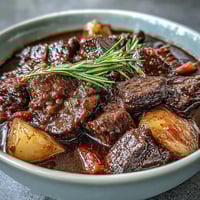
- Beef or lamb, 500g cubed: The size matters here—2cm cubes allow the meat to brown properly and stay tender through the long simmer without becoming stringy.
- Vegetable oil, 2 tbsp: Medium-high heat will help the meat and onions develop real color and depth.
- Onion, 1 large finely chopped: This is your flavor foundation; don't rush the browning step or you'll lose the sweetness that balances the spices.
- Garlic, 3 cloves minced: Fresh garlic is non-negotiable here, as it becomes almost jammy as the stew cooks.
- Tomatoes, 2 medium chopped: Canned works beautifully if fresh ones are mealy; the acidity adds brightness to the rich broth.
- Green chili, 1 finely chopped: This is optional but worthwhile—it adds heat that doesn't overpower the fenugreek.
- Potato and carrot: These vegetables thicken the stew naturally and provide textural variety against the soft meat and bread.
- Water or beef broth, 4 cups: Broth deepens everything; if using water, an extra pinch of salt becomes essential.
- Cumin, coriander, black pepper, turmeric, ground fenugreek: Toast these in your mind as a blend rather than individual players—each one quietly supports the others, creating something cohesive.
- Salt, 1 tsp: Taste as you go; the vegetables release moisture that can dilute saltiness toward the end.
- Ground fenugreek seeds, 2 tbsp for hulbah: This is the secret weapon that makes saltah unmistakably authentic.
- Yemeni flatbread or substitute: Malawah or lahoh are ideal, but good pita will absorb the broth beautifully and deliver that comfort-food satisfaction.
Tired of Takeout? 🥡
Get 10 meals you can make faster than delivery arrives. Seriously.
One email. No spam. Unsubscribe anytime.
Instructions
- Brown the foundation:
- Heat oil in your pot until it shimmers, then add onions and let them turn golden—this should take about 5 minutes and your kitchen will smell incredible. Add meat and let it sit undisturbed for a minute or two before stirring, so it develops a proper crust rather than steaming itself.
- Build the flavor base:
- Once meat is browned on the outside, add garlic, chili, and tomatoes, stirring constantly for about a minute so the garlic doesn't burn. Add all your spices and salt, let them toast briefly in the oil, then add the potato and carrot so they're coated in the spiced oil.
- Develop the broth:
- Pour in your water or broth, scraping up any browned bits stuck to the bottom—that's flavor. Bring everything to a vigorous boil, then lower the heat to low and cover, leaving it to simmer gently for 1 to 1.5 hours until the meat falls apart easily with a fork.
- Whip the fenugreek:
- While the stew cooks, soak your fenugreek in cold water for a full hour—this softens the seeds and makes them whippable. Drain well, then use a whisk or fork with real vigor, beating the mixture until it transforms into a light, fluffy cloud that's almost meringue-like.
- Add life to the hulbah:
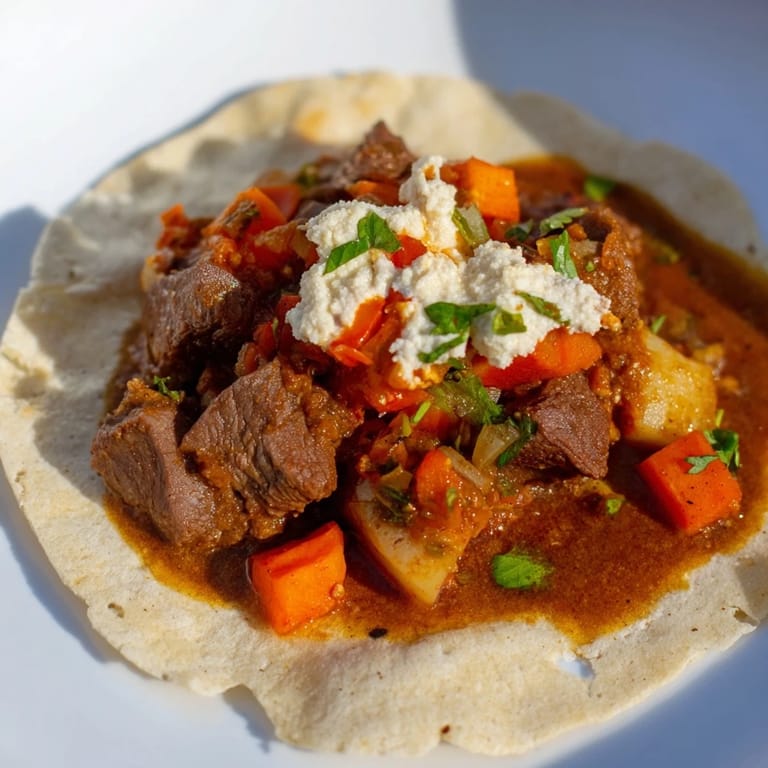
- Fold the diced tomato, cilantro, chili, and lemon juice into your whipped fenugreek gently so you don't deflate all that air you just created. Taste and adjust salt; this topping should brighten against the rich stew beneath it.
- Layer and assemble:
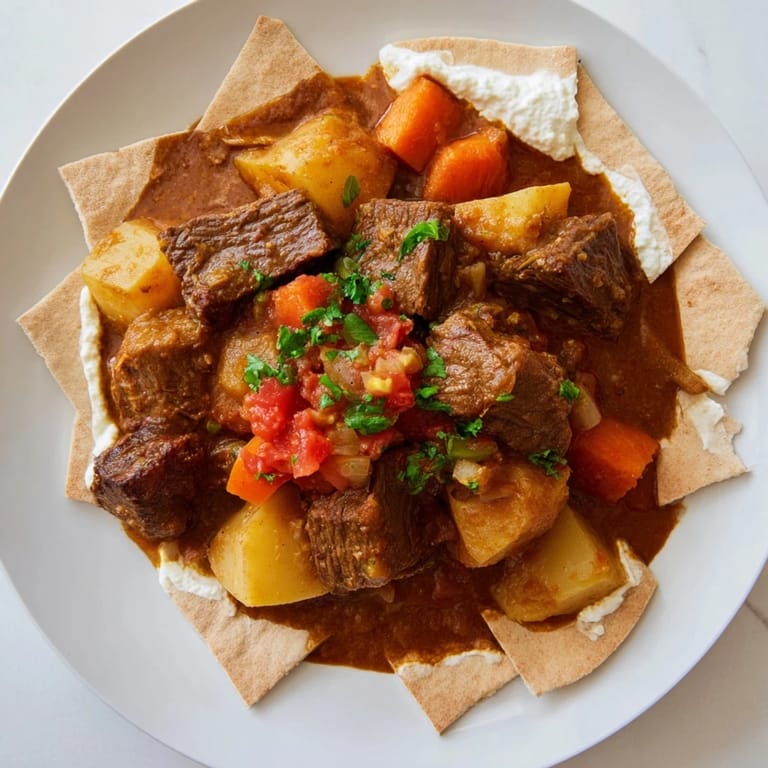
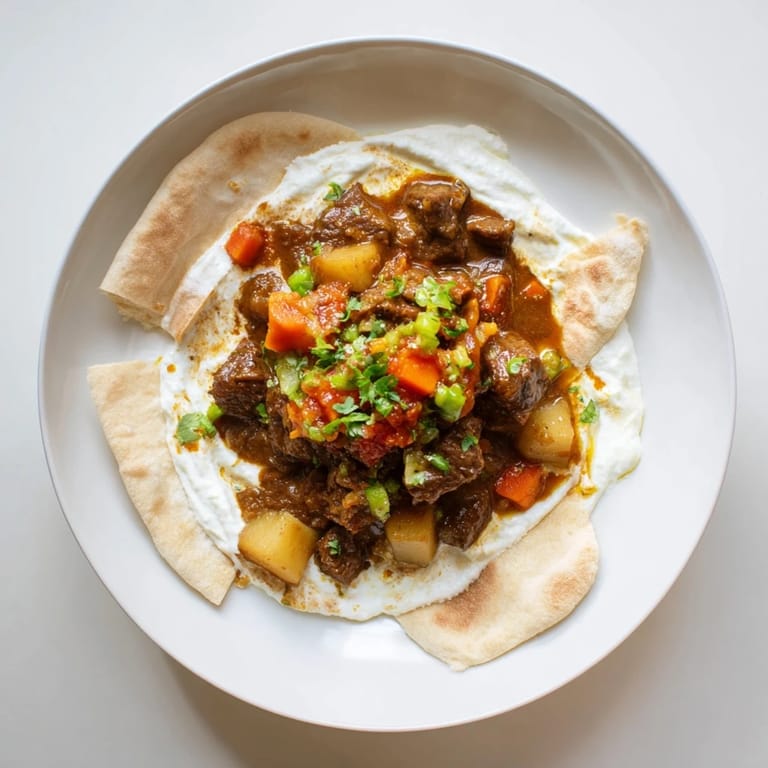
- Tear your flatbread into bite-sized pieces and distribute them across the bottom of deep bowls. Ladle the hot stew generously over the bread, letting it soak but not become mushy, then crown each bowl with a generous spoonful of that beautiful fenugreek foam.
- Serve with intention:
- Bring the bowls to the table while everything is still steaming, encouraging people to mix the layers themselves before eating. This ritual of combining bread, stew, and hulbah is as much a part of the dish as any ingredient.
 Save to Pinterest
 There's a moment when everyone at the table realizes they're eating something special—not just because it tastes remarkable, but because the ritual of building each bite, the way the warm bread yields under the weight of the stew, the surprise of that airy fenugreek melting on your tongue. That's saltah's real gift.
The Fenugreek Story
Fenugreek is polarizing; some people find it immediately familiar, others need a moment to understand its earthy sweetness and slight bitterness. When it's whipped and folded with fresh herbs, it stops being an intimidating spice and becomes something almost delicate. The key is treating the hulbah as a topping rather than an ingredient mixed throughout, so each spoonful reminds you of its unique place in the dish.
Timing and Patience
This isn't a quick dinner, and that's part of why it's so satisfying. The long simmer allows the spices to mellow and marry, the vegetables to soften completely, and the meat to become so tender it nearly dissolves. If you're tempted to rush the cooking time, resist—the last thirty minutes make all the difference between a stew that's merely flavorful and one that tastes like it's been cooking in someone's home kitchen for decades.
Make It Your Own
While saltah has a traditional structure, there's room for your own preferences within it. Some families add more chili, others use chickpeas or additional beans for substance, and some finish with a drizzle of zhug—a bright, spicy Yemeni herb sauce that cuts through the richness beautifully. The bread choice matters too; if Yemeni flatbread isn't available, look for something sturdy enough to hold up under the weight of hot broth without dissolving immediately.
- A splash of zhug or cilantro-based hot sauce on the side elevates the experience dramatically.
- You can prepare the hulbah ahead and refrigerate it, though it's best served at room temperature when the stew is hot.
- Leftovers reheat beautifully, though the bread will be softer the next day—stir everything together for a comfort-food scramble.
 Save to Pinterest
 Saltah reminds us that the best meals are built in layers, each element contributing something the others can't provide alone. Make this when you have time to cook with intention and people worth feeding.
Recipe FAQs
- → What is the purpose of the fenugreek foam topping?
The whipped fenugreek foam adds a tangy, slightly bitter flavor that complements the rich meat stew, enhancing both texture and aroma.
- → Can I use other breads instead of Yemeni flatbread?
Yes, pita, naan, or other soft flatbreads work well as a base, soaking up the stew while maintaining structure.
- → How long should the meat stew simmer?
Simmer the stew covered on low heat for 1 to 1.5 hours until the meat is tender and the vegetables are soft.
- → Is it possible to make a vegetarian version of this dish?
Absolutely, omit the meat and increase root vegetables or include beans to achieve a hearty texture and rich flavor.
- → What spices are essential for the stew's flavor?
Cumin, coriander, turmeric, black pepper, and fenugreek provide the signature warm and aromatic profile of this dish.