 Save to Pinterest
 I discovered the magic of a yin and yang board one evening when I was hosting friends and realized I'd spent too much time overthinking a charcuterie arrangement. Instead of fighting the chaos, I leaned into balance—literally. I remembered reading about how opposing forces create harmony, and something clicked. That night, I arranged dark and light ingredients in that iconic curved symbol, and the whole table went quiet for a moment. Then everyone laughed and reached in, discovering how the sharp balsamic mushrooms played beautifully against creamy goat cheese, how dark chocolate whispered secrets next to honeyed apricots. It wasn't just food anymore; it was a conversation between flavors.
I'll never forget my friend Marcus's expression when he realized the dark chocolate squares weren't decoration—he popped one in his mouth alongside a cashew and suddenly understood what I meant about balance. That's when I knew this board wasn't just about Instagram aesthetics; it was about creating little moments of discovery for everyone who gathered around it.
Ingredients
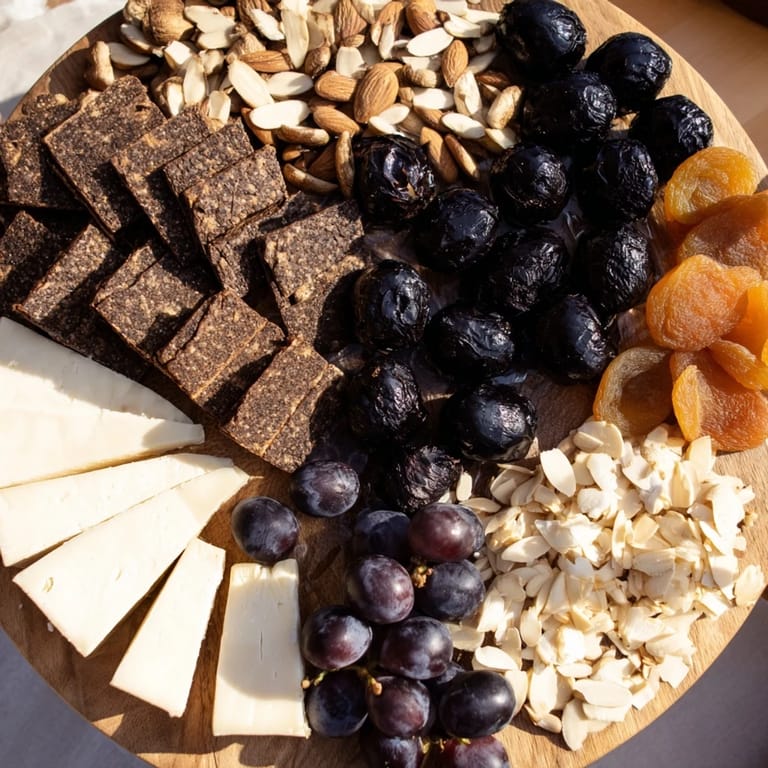
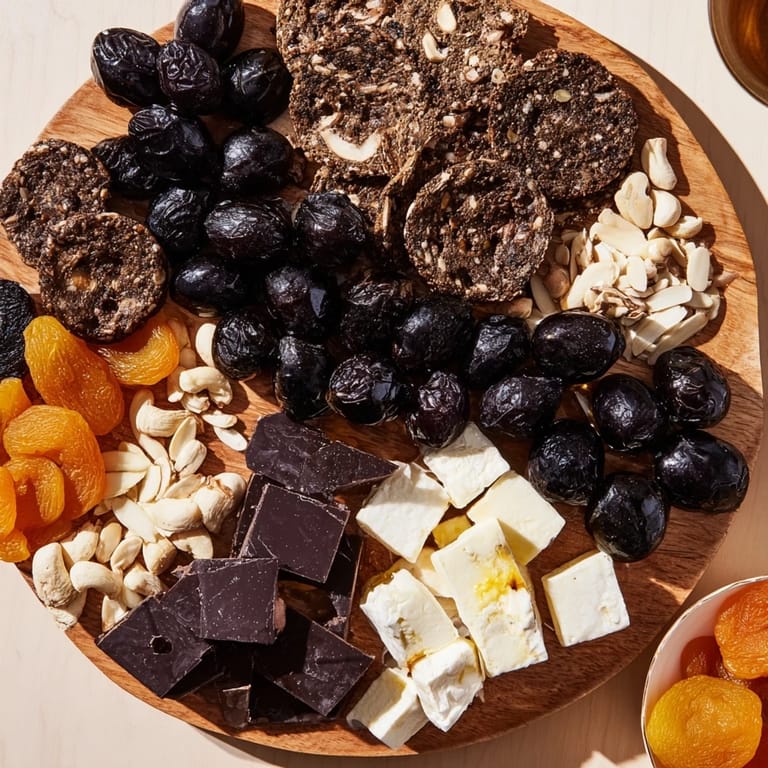
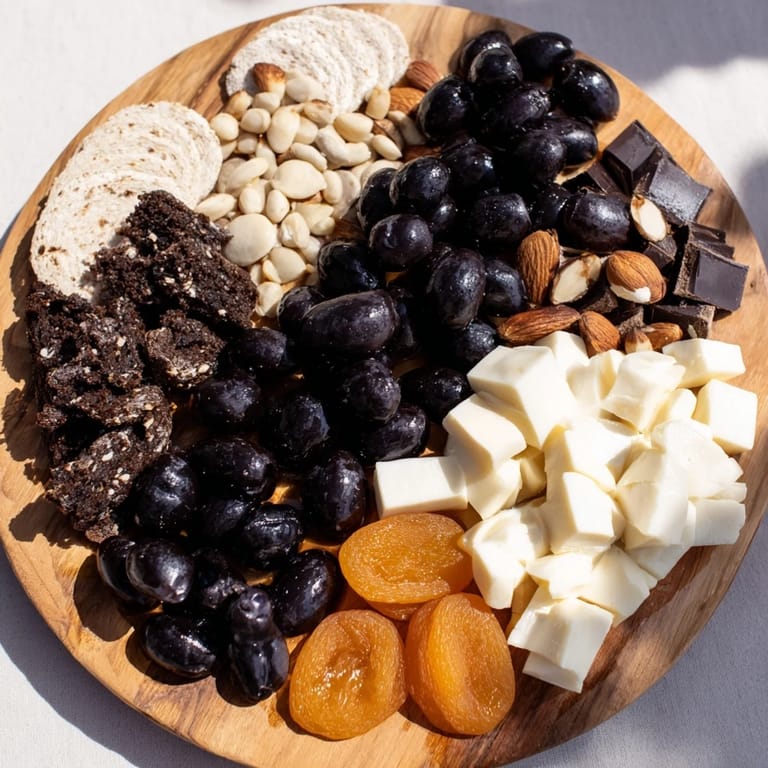
- Black olives, pitted (1 cup): These are your anchor for the dark side—choose a variety you genuinely love because they'll be front and center. I learned the hard way that cheap, briny olives can overpower everything, so spend a little extra on quality ones.
- Dark rye crackers (80 g): The earthiness here is non-negotiable. Rye has a way of grounding the dark side, almost like it's whispering rather than shouting.
- Aged balsamic-glazed mushrooms, sliced (80 g, optional): This is where umami lives. If you can find or make these, they'll change how people experience your board. The sweet-savory glaze is the secret weapon.
- Black grapes or blackberries (60 g): The jewels of the dark side. Their natural sweetness keeps the arrangement from feeling too heavy.
- Dark chocolate squares, 70% cacao or above (50 g): Quality matters here more than anywhere else. Good chocolate tastes like an experience; cheap chocolate tastes like regret.
- White cheese—goat cheese, brie, or mozzarella (120 g): This is your light side's soul. Goat cheese brings tanginess, brie brings luxury, mozzarella brings simplicity. I usually go with a creamy goat cheese because it plays nicely with the other delicate flavors.
- Rice crackers or water crackers (80 g): Light and crisp, these won't compete with the cheese. They're the polite guests who let everyone else shine.
- Raw cashews or blanched almonds (60 g): Buttery, subtle, and perfectly neutral. They're the yin to the dark side's yang.
- Dried apricots or white grapes (50 g): Sunshine in dried form. The natural sweetness here should feel delicate, not cloying.
- Honey for drizzling (1 tablespoon, optional): A finishing touch that catches the light and reminds everyone this is a celebration.
Tired of Takeout? 🥡
Get 10 meals you can make faster than delivery arrives. Seriously.
One email. No spam. Unsubscribe anytime.
Instructions
- Set your stage:
- Place your large round board or platter in front of you. This is your canvas. Take a moment to appreciate its emptiness—you're about to transform it into something that tells a story.
- Mark your path:
- Use a small bowl or circular cutter as a guide and lightly trace an S-shaped curve down the center. This gentle mark is just for you; it'll disappear as you arrange, but it gives you permission to be intentional about the balance you're creating.
- Build the dark side:
- Start with your black olives clustered in one section, then add the dark rye crackers in small groups. Layer in the balsamic mushrooms—they catch the light beautifully. Scatter the blackberries or black grapes like tiny planets, then tuck chocolate squares into the gaps. Step back. Notice how the colors create depth without trying too hard.
- Illuminate the light side:
- Now switch sides. Arrange your white cheese in generous slices or cubes—let them breathe a little. Place rice crackers in deliberate clusters. Add cashews or almonds with intention, not randomness. Scatter dried apricots and white grapes, letting them nestle against the cheese. If you're using honey, save it for the very last moment so it glistens.
- Create the focal points:
- Here's the detail that makes it feel complete: use a small round cheese ball or a single black olive to mark the center point of each swirl, mimicking the classical yin-yang symbol. These dots anchor the whole composition.
- Serve with intention:
- Bring it to the table and encourage your guests to journey across the board, experiencing how flavors transform as they move from dark to light. This isn't just eating; it's exploration.
 Save to Pinterest
 The moment that convinced me this board was special came when my quiet neighbor, who usually just says hello and leaves, sat down and stayed for an hour. She kept pointing out flavor combinations she'd discovered—the way the dark chocolate's bitterness made the honey taste brighter, how the mushrooms and cashews somehow created an entirely new taste together. That's when I understood that this board isn't about impressing people; it's about giving them permission to be curious about food.
The Art of Balance in Every Bite
The genius of the yin and yang board is that it teaches you something about flavor balance without ever feeling like a lesson. Each side is complete on its own—the dark side is earthy, bold, and slightly mysterious, while the light side is delicate, bright, and welcoming. But the real magic happens when you cross the invisible line in the middle. The sharp balsamic mingles with honey, dark chocolate whispers against creamy cheese, and suddenly you understand why ancient philosophy made this symbol so important. It's not about one side being better than the other; it's about how they make each other better.
Customizing Without Losing the Spirit
I've made this board with what I had on hand more times than I'd care to admit, and it's taught me that the philosophy matters more than the exact ingredients. Can't find aged balsamic mushrooms? Roasted beets work beautifully and add an earthy sweetness. Don't have goat cheese? A good sharp cheddar brings its own elegance to the light side. The only rule is that your dark side should feel sophisticated and your light side should feel gentle. As long as you maintain that contrast, you're honoring the concept. I've even added edible flowers or fresh herbs on occasion, and they feel right at home in this aesthetic. The board becomes a reflection of your pantry and your taste, which is exactly what it should be.
Pairing and Presentation Moments
This board sings alongside sparkling white wine—the bubbles cut through the richness of the cheese and chocolate like little crystals of joy. A light red works too, though I find the tannins sometimes clash with the dark chocolate. What I love most is serving this at the beginning of an evening, when people are still discovering each other. The board naturally encourages conversation and sharing, which means it's doing more work than just feeding people—it's creating the atmosphere. I've learned to place it where light hits it just right, so the honey glistens and the whole thing looks like it's glowing from within.
- Serve this at room temperature; the flavors are happiest when nothing's been chilled into submission
- Give people small plates or napkins because reaching across a shared board is part of the joy, and you want them comfortable doing it
- The board stays beautiful for about an hour before ingredients start to fade; that's your signal to enjoy what's left and call it a evening
 Save to Pinterest
 This board reminds me that the best food doesn't always come from hours at the stove. Sometimes it comes from honoring opposing forces and letting them complete each other. Make this when you want to slow down and be present with the people around you.
Recipe FAQs
- → What types of cheeses work best for the light side?
Soft and mild cheeses like goat cheese, brie, or mozzarella complement the light side's flavor and texture.
- → Can I substitute the nuts included?
Yes, cashews and almonds work well, but feel free to use other nuts that suit your preference or dietary needs.
- → How do I create the yin and yang division on the platter?
Use a small bowl or circular cutter to lightly mark an S-shaped curve down the center of the serving board before arranging ingredients.
- → Are there optional ingredients for added flavor?
Drizzling honey over the light side and adding aged balsamic-glazed mushrooms on the dark side are optional but add extra taste complexity.
- → What beverages pair well with this platter?
Sparkling white wine or a light red wine complement the contrasting flavors and textures beautifully.
- → How can I make the platter more visually appealing?
Adding fresh herbs or edible flowers enhances color and aroma, making the platter more inviting.